This is more about discovering my limitations as a cinephile than as a definitive ranking of anything, but I went through every year's crop of films and assigned prizes as if they were all competing at the Cannes Film Festival. This is maybe a little silly, but it was also fun. This stems from my constant frustration that the Palme is not routinely rewarded to the film that breaks the most ground for the art of cinema. Amour springs to mind. Fine enough movie (if you're into that sort of thing) but grammatically conventional. Remember that was the year Holy Motors played in competition. I added the Camera d'Or the year that Cannes did just to stop myself from going totally insane. And I'm playing by Cannes rules in that I'm trying not to give any one film two awards, which means compromise in categories. So, again, not a definitive ranking, just a game. Oh, and I'm starting arbitrarily in 1930.
1930
Palme d’Or: Morocco
Grand Prix: L'Age d'Or
Prix du Jury: Earth
Director: Josef Von Sternberg - The Blue Angel / Morocco
Actor: Lon Chaney - The Unholy Three
Actress: Pola Illéry - Under The Roofs of Paris
Screenplay: The Blue Angel
1931
Palme d’Or: M
Grand Prix: The 3 Penny Opera
Prix du Jury: Night Nurse
Director: Rene Clair - A Nous la Liberte
Actor: Ronald Colman - Arrowsmith
Actress: Dorothy Mackaill - Safe in Hell
Screenplay: Frankenstein
1932
Palme d’Or: Vampyr
Grand Prix: Freaks
Prix du Jury: The Most Dangerous Game
Director: Josef Von Sternberg - Shanghai Express
Actor: Charles Laughton - Island of Lost Souls
Actress: Jean Harlow - Red Dust
Screenplay: Trouble In Paradise
1933
Palme d’Or: Testament of Dr. Mabuse
Grand Prix: King Kong
Prix du Jury: Duck Soup
Director: Fritz Lang - Testament of Dr. Mabuse
Actor: Paul Robeson - Emperor Jones
Actress: Ruby Keeler - 42nd Street
Screenplay: The Emperor Jones
1934
Palme d’Or: The Black Cat
Grand Prix: Man of Aran
Prix du Jury: Dames
Director: Josef Von Sternberg - The Scarlet Empress
Actor: W.C. Fields - It's A Gift
Actress: Claudette Colbert - It Happened One Night
Screenplay: It Happened One Night
1935
Palme d’Or: La Bandera
Grand Prix: Top Hat
Prix du Jury: The Informer
Director: Karl Freund - Mad Love
Actor: Boris Karloff - The Black Room
Actress: Marlene Dietrich - The Devil is a Woman
Screenplay: A Night at the Opera
1936
Palme d’Or: Follow The Fleet
Grand Prix: Things To Come
Prix du Jury: Fury
Director: Busby Berkeley - Gold Diggers of 1937
Actor: William Powell - My Man Godfrey
Actress: Sylvia Sidney - Sabotage
Screenplay: Dodsworth
1937
Palme d’Or: Grand Illusion
Grand Prix: Lost Horizon
Prix du Jury: The Hurricane
Director: Frank Borzage - History is Made at Night
Actor: Victor Moore - Make Way for Tomorrow
Actress: Beulah Bondi - Make Way For Tomorrow
Screenplay: Pepe le Moko
1938
Palme d’Or: Alexander Nevsky
Grand Prix: The Lady Vanishes
Prix du Jury: Bringing up Baby
Director: Marcel Carne - Port of Shadows
Actor: Cary Grant - Holiday
Actress: Simone Simon - La Bete Humaine
Screenplay: The Lady Vanishes
1939
Palme d’Or: Rules of the Game
Grand Prix: Young Mr. Lincoln
Prix du Jury: Only Angels Have Wings
Director: John Ford - Young Mr. Lincoln/Stagecoach
Actor: Jean Gabin - Daybreak
Actress: June Duprez - The Four Feathers
Screenplay: Jamaica Inn
1940
Palme d’Or: The Thief of Bagdad
Grand Prix: Fantasia
Prix du Jury: Go West
Director: John Ford - The Long Voyage Home
Actor: Cary Grant - His Girl Friday
Actress: Rosalind Russell - His Girl Friday
Screenplay: The Philadelphia Story
1941
Palme d’Or: Citizen Kane
Grand Prix: Swamp Water
Prix du Jury: The Lady Eve
Director: Michael Curtiz - The Sea Wolf
Actor: Walter Huston - The Devil & Daniel Webster
Actress: Veronica Lake - Sullivan’s Travels
Screenplay: The Maltese Falcon
1942
Palme d’Or: Casablanca
Grand Prix: Cat People
Prix du Jury: The Jungle Book
Director: Orson Welles - The Magnificent Ambersons
Actor: Humphrey Bogart - Casablanca
Actress: Simone Simon - Cat People
Screenplay: The Palm Beach Story
1943
Palme d’Or: Le Corbeau
Grand Prix: Cabin In The Sky
Prix du Jury: I Walked With A Zombie
Director: Carl Th. Dreyer - Day of Wrath
Actor: Henry Fonda - The Ox-Bow Incident
Actress: Theresa Wright - Shadow of a Doubt
Screenplay: The 7th Victim
1944
Palme d’Or: Ivan The Terrible
Grand Prix: Curse of the Cat People
Prix du Jury: The Three Caballeros
Director: Fritz Lang - Ministry of Fear
Actor: Peter Lorre & Sidney Greenstreet - The Mask of Dimitrios
Actress: Nina Foch - Return of the Vampire
Screenplay: Miracle of Morgan’s Creek
1945
Palme d’Or: Leave Her To Heaven
Grand Prix: Children of Paradise
Prix du Jury: My Name Is Julia Ross
Director: Edgar Ulmer - Detour / John Brahm - Hangover Square
Actor: Boris Karloff - The Body Snatcher
Actress: Celia Johnson - Brief Encounter
Screenplay: Scarlet Street
1946
Palme d’Or: Beauty & The Beast
Grand Prix: My Darling Clementine
Prix du Jury: Notorious
Director: Orson Welles - The Stranger
Actor: Fredric March - The Best Years of Our Lives
Actress: Barbara Stanwyck - The Strange Loves of Martha Ivers
Screenplay: Bedlam
1947
Palme d’Or: Black Narcissus
Grand Prix: The Lady From Shanghai
Prix du Jury: Out Of The Past
Director: Robert Montgomery - Lady In The Lake
Actor: Hume Cronyn - Brute Force
Actress: Kathleen Byron - Black Narcissus
Screenplay: The Ghost & Mrs. Muir
1948
Palme d’Or: The Red Shoes
Grand Prix: Unfaithfully Yours
Prix du Jury: Portrait of Jennie
Director: Andre De Toth - Pitfall
Actor: Robert Ryan - Act of Violence
Actress: Joan Fontaine - Letter From An Unknown Woman
Screenplay: Treasure of the Sierra Madra
1949
Palme d’Or: The Third Man
Grand Prix: The Small Back Room
Prix du Jury: Criss Cross
Director: Akira Kurosawa - Stray Dog
Actor: Claude Rains - The Passionate Friends
Actress: Jennifer Jones - We Were Strangers
Screenplay: Thieves Highway
1950
Palme d’Or: Rashomon
Grand Prix: Los Olvidados
Prix du Jury: Wagonmaster
Director: Michael Powell - Gone To Earth
Actor: Richard Widmark - Night And The City
Actress: Barbara Stanwyck - The Furies
Screenplay: In A Lonely Place
1951
Palme d’Or: Pandora & The Flying Dutchman
Grand Prix: The Prowler
Prix du Jury: On Dangerous Ground
Director: Michael Powell - Tales of Hoffmann
Actor: Robert Walker - Strangers on a Train
Actress: Katherine Hepburn - The African Queen
Screenplay: Ace In The Hole
1952
Palme d’Or: Forbidden Games
Grand Prix: Singin’ In The Rain
Prix du Jury: Ikiru
Director: Sam Fuller - Park Row
Actor: Robert Mitchum - The Lusty Men
Actress: Simone Signoret - Casque d’Or
Screenplay: Monkey Business
1953
Palme d’Or: Gate of Hell
Grand Prix: Ugetsu
Prix du Jury: The Man Between
Director: Roy Ward Baker - Inferno
Actor: Richard Widmark - Pick-Up On South Street
Actress: Harriett Andersson - Sawdust & Tinsel
Screenplay: The Wages of Fear
1954
Palme d’Or: Seven Samurai
Grand Prix: Sansho The Bailiff
Prix du Jury: Godzilla
Director: Nicholas Ray - Johnny Guitar
Actor: James Mason - A Star Is Born
Actress: Jane Wyman - Magnificent Obsession
Screenplay: Rear Window
1955
Palme d’Or: Night of the Hunter
Grand Prix: Lola Montes
Prix du Jury: All That Heaven Allows
Director: Robert Aldrich - Kiss Me Deadly
Actor: James Dean - Rebel Without A Cause
Actress: Marilyn Monroe - The Seven Year Itch
Screenplay: It’s Always Fair Weather
1956
Palme d’Or: The Searchers
Grand Prix: The Killing
Prix du Jury: Moby Dick
Director: Lionel Rogosin - On The Bowery
Actor: James Mason - Bigger Than Life
Actress: Marilyn Monroe - Bus Stop
Screenplay: Written On The Wind
1957
Palme d’Or: Paths of Glory
Grand Prix: The Seventh Seal
Prix du Jury: Kanal
Director: Mikhail Kalatozov - The Cranes Are Flying
Actor: Victor Sjöström - Wild Strawberries
Actress: Giulietta Masina - Nights of Cabiria
Screenplay: Sweet Smell of Success
1958
Palme d’Or: Mon Oncle
Grand Prix: Vertigo
Prix du Jury: Ashes & Diamonds
Director: Keisuke Kinoshita - The Ballad of Nayarama
Actor: Robert Taylor - Party Girl
Actress: Jeanne Moreau - The Lovers
Screenplay: The Revenge of Frankenstein
1959
Palme d’Or: Letter Never Sent
Grand Prix: Day of the Outlaw
Prix du Jury: Hiroshima Mon Amour
Director: Alfred Hitchcock - North By Northwest
Actor: Tatsuya Nakadai - The Human Condition / Odd Obsession
Actress: Katherine Hepburn - Suddenly Last Summer
Screenplay: Jakten
1960
Palme d’Or: L’Avventura
Grand Prix: La Dolce Vita
Prix du Jury: Home From The Hill
Director: Iosef Kheifits - The Lady With The Dog
Actor: Toshiro Mifune - The Bad Sleep Well
Actress: Edith Scob - Eyes Without A Face
Screenplay: The Ninth Circle
1961
Palme d’Or: Last Year At Marienbad
Grand Prix: Viridiana
Prix du Jury: Il Posto
Director: Allen Baron - Blast of Silence
Actor: Marcella Mastroianni - Divorce Italian Style
Actress: Anna Karina - A Woman Is A Woman
Screenplay: The Innocents
1962
Palme d’Or: L’Eclisse
Grand Prix: Cleo From 5 to 7
Prix du Jury: Ivan’s Childhood
Director: Bernardo Bertolucci - La Commare Secca
Actor: Peter O’Toole - Lawrence of Arabia
Actress: Anna Karina - Vivre Sa Vie
Screenplay: The Exterminating Angels
1963
Palme d’Or: 8 1/2
Grand Prix: Contempt
Prix du Jury: An Actor’s Revenge / Youth of the Beast
Director: Ermanno Olmi - I Fidanzati
Actor: Richard Harris - This Sporting Life
Actress: Tippi Hedren - The Birds
Screenplay: High & Low
1964
Palme d’Or: Soy Cuba
Grand Prix: Red Desert
Prix du Jury: Onibaba
Director: Masahiro Shinoda - Pale Flower
Actor: Stanley Baker - Zulu
Actress: Yumiko Nogawa - Gate of Flesh
Screenplay: Woman In The Dunes
1965
Palme d’Or: Chimes At Midnight
Grand Prix: Le Bonheur
Prix du Jury: Faster, Pussycat, Kill! Kill!
Director: Federico Fellini - Juliet of the Spirits
Actor: Lou Castel - Fists In The Pocket
Actress: Catherine Deneuve - Repulsion
Screenplay: The Hill
1966
Palme d’Or: Blow-Up
Grand Prix: Tokyo Drifter
Prix du Jury: Battle of Algiers
Director: Jean-Pierre Melville - Le Deuxieme Souffle
Actor: Tatsuya Nakadai - Sword of Doom
Actress: Jeanne Moreau - Mademoiselle
Screenplay: The Pornographers
1967
Palme d’Or: Point Blank
Grand Prix: Marketa Lazarova
Prix du Jury: The Red & The White
Director: Joseph Losey - Accident
Actor: Jo Shishido - Branded To Kill
Actress: Nadine Nortier - Mouchette
Screenplay: Japan’s Longest Day
1968
Palme d’Or: Kuroneko
Grand Prix: 2001: A Space Oddysey
Prix du Jury: Head
Director: Lindsay Anderson - If….
Actor: Peter O’Toole - The Lion In Winter
Actress: Mia Farrow - Rosemary’s Baby
Screenplay: Kill!
1969
Palme d’Or: Mr. Freeddom
Grand Prix: The Wild Bunch
Prix du Jury: Army of Shadows
Director: Teruo Ishii - Horrors of Malformed Men
Actor: Peter Cushing - Frankenstein Must Be Destroyed
Actress: Maria Callas - Medea
Screenplay: Play Dirty
1970
Palme d’Or: The Conformist
Grand Prix: Le Cercle Rouge
Prix du Jury: Zabriskie Point
Director: Jaromil Jires - Valerie & Her Week of Wonders
Actor: Alan Arkin - Catch-22
Actress: Lynn Redgrave - The Last of the Mobile Hot Shots
Screenplay: The Landlord
1971
Palme d’Or: The Devils
Grand Prix: McCabe & Mrs. Miller
Prix du Jury: Punishment Park
Director: Richard C. Sarafian - Man In The Wilderness/Vanishing Point
Actor: Walter Matthau - A New Leaf
Actress: Jane Fonda - Klute
Screenplay: The Last Picture Show
1972
Palme d’Or: Cries & Whispers
Grand Prix: Solaris
Prix du Jury: Fat City
Director: Francis Ford Coppola - The Godfather
Actor: Peter O’Toole - The Ruling Class
Actress: Patty Duke - You’ll Like My Mother
Screenplay: The Discreet Charm of the Bourgeoisie
1973
Palme d’Or: Touki Bouki
Grand Prix: The Mansion of Madness
Prix du Jury: The Friends of Eddie Coyle
Director: William Friedkin - The Exorcist
Actor: Robert Ryan - The Iceman Cometh
Actress: Tatum O’Neil - Paper Moon
Screenplay: The Last Detail
1974
Palme d’Or: The Conversation
Grand Prix: Bring Me The Head of Alfredo Garcia
Prix du Jury: Sweet Movie
Director: Robert Bresson - Lancelot Du Lac
Actor: Elliott Gould & George Segal - California Split
Actress: Madeleine Kahn - Young Frankenstein
Screenplay: Edvard Munch
1975
Palme d’Or: Maitresse
Grand Prix: The Passenger
Prix du Jury: Salo
Director: Robert Mulligan - The Nickel Ride
Actor: Al Pacino - Dog Day Afternoon
Actress: Delphine Seyreig - Jeanne Dielman
Screenplay: Shivers
1976
Palme d’Or: Private Vices, Public Virtues
Grand Prix: Killing of a Chinese Bookie
Prix du Jury: Who Can Kill A Child?
Director: Alan Pakula - All The President’s Men
Actor: Peter Falk & John Cassavettes - Mikey & Nicky
Actress: Jodie Foster - The Little Girl Who Lives Down The Lane
Screenplay: The Winds of Autumn
1977
Palme d’Or: Sorcerer
Grand Prix: The Devil, Probably
Prix du Jury: Eraserhead
Director: Larisa Shepitko - The Ascent
Actor: John Amplas - Martin
Actress: Gena Rowlands - Opening Night
Screenplay: Providence
1978
Palme d’Or: Killer of Sheep
Grand Prix: Invasion of the Body Snatchers
Prix du Jury: Dawn of the Dead
Director: Terrence Malick - Days of Heaven
Actor: Fabrice Luchini - Perceval Le Gallois
Actress: Liv Ulmman & Ingrid Bergman - Autumn Sonata
Screenplay: The Long Weekend
Camera d’Or: Blue Collar
1979
Palme d’Or: Apocalypse Now
Grand Prix: Nosferatu
Prix du Jury: The Brood
Director: Bob Fosse - All That Jazz
Actor: Ken Watanabe - Vengeance Is Mine
Actress: Sally Field - Norma Rae
Screenplay: Life of Brian
Camera d’Or: Mad Max
1980
Palme d’Or: Berlin Alexanderplatz
Grand Prix: Heaven’s Gate
Prix du Jury: Kagemusha
Director: Dario Argento - Inferno
Actor: Bob Hoskins - The Long Good Friday
Actress: Adrienne Barbeau - The Fog
Screenplay: The Stunt Man
Camera d’Or: The Ninth Configuration
1981
Palme d’Or: Thief
Grand Prix: The Loveless
Prix du Jury: Raiders of the Lost Ark
Director: Tobe Hooper - Funhouse
Actor: Peter Falk - …All The Marbles
Actress: Divine - Polyester
Screenplay: Road Games
Camera d’Or: The Evil Dead
1982
Palme d’Or: Fanny & Alexander
Grand Prix: Blade Runner
Prix du Jury: The Thing
Director: Tobe Hooper - Poltergeist / Michelangelo Antonioni - Identification of a Woman
Actor: Paul Newman - The Verdict
Actress: Jessica Lange - Frances
Screenplay: Britannia Hospital
Camera d’Or: Diner
1983
Palme d’Or: El Sur
Grand Prix: L’Argent
Prix du Jury: Midnite Spares
Director: John Carpenter - Christine
Actor: Mickey Rourke - Rumble Fish
Actress: Sandrine Bonnaire - A Nos Amours
Screenplay: The Right Stuff
Camera d’Or: The Hunger
1984
Palme d’Or: Stop Making Sense
Grand Prix: Stranger Than Paradise
Prix du Jury: Blood Simple
Director: Russell Mulcahy - Razorback
Actor: Harry Dean Stanton - Paris, Texas
Actress: Karen Allen - Starman
Screenplay: Repo Man
Camera d’Or: This is Spinal Tap
1985
Palme d’Or: Brazil
Grand Prix: To Live And Die in L.A.
Prix du Jury: Runaway Train
Director: Paul Schrader - Mishima
Actor: Tatsuya Nakadai - Ran
Actress: Jennifer Jason Leigh - Flesh + Blood
Screenplay: Return of the Living Dead
Camera d’Or: Blood Simple
1986
Palme d’Or: Caravaggio
Grand Prix: Blue Velvet
Prix du Jury: Down By Law
Director: Michael Mann - Manhunter
Actor: Jeff Goldblum - The Fly
Actress: Beatrice Dalle - Betty blue
Screenplay: Hannah & Her Sisters
Camera d’Or: Henry: Portrait of a Serial Killer
1987
Palme d’Or: Au Revoir Les Enfants
Grand Prix: Ishtar
Prix du Jury: Yeelen
Director: Katheryn Bigelow - Near Dark
Actor: Bruno Ganz & Peter Falk - Wings of Desire
Actress: Holly Hunter - Raising Arizona
Screenplay: Hope & Glory
Camera d’Or: Withnail & I
1988
Palme d’Or: Distant Voices, Still Lives
Grand Prix: Ghosts….of the Civil Dead
Prix du Jury: Another Woman
Director: Tony Randel - Hellbound
Actor: Jeremy Irons - Dead Ringers
Actress: Cyndi Lauper - Vibes
Screenplay: Midnight Run
Camera d’Or: Tales From The Gimli Hospital
1989
Palme d’Or: The Cook, The Thief, His Wife, Her Lover
Grand Prix: Visitor to a Museum
Prix du Jury: Indiana Jones & The Last Crusade
Director: Krzystof Kieslowski - The Decalogue
Actor: Daniel-Day Lewis - My Left Foot
Actress: Bulle Ogier - Gang of Four
Screenplay: Crimes & Misdemeanors
Camera d’Or: UHF
1990
Palme d’Or: Close-Up
Grand Prix: Wild At Heart
Prix du Jury: Tilai
Director: Abel Ferrara - King of New York
Actor: Jason Patric - After Dark My Sweet
Actress: Meg Ryan - Joe Versus The volcano
Screenplay: Goodfellas
Camera d’Or: Mortu Nega
1991
Palme d’Or: Lovers on the Bridge
Grand Prix: Double Life of Veronique
Prix du Jury: My Own Private Idaho
Director: Terry Gilliam - The Fisher King
Actor: Anthony Hopkins - Silence of the Lambs
Actress: Susan Sarandon & Geena Davis - Thelma & Louise
Screenplay: The People Under The Stairs
Camera d’Or: No Skin Off My Ass
1992
Palme d’Or: The Long Day Closes
Grand Prix: Bad Lieutenant
Prix du Jury: Last of the Mohicans
Director: Francis Ford Coppola - Bram Stoker’s Dracula
Actor: Clint Eastwood - Unforgiven
Actress: Sheryl Lee - Twin Peaks: Fire Walk With Me
Screenplay: Diggstown
Camera d’Or: Alien³
1993
Palme d’Or: Schindler’s List
Grand Prix: The Age of Innocence
Prix du Jury: Body Snatchers
Director: James Ivory - Remains of the Day
Actor: David Thewlis - Naked
Actress: Juliet Binoche - Blue
Screenplay: King of the Hill
Camera d’Or: Clean, Shaven
1994
Palme d’Or: The Hudsucker Proxy
Grand Prix: Ashes of Time
Prix du Jury: Super 8 1/2
Director: James Grey - Little Odessa
Actor: Johnny Depp - Ed Wood
Actress: Kate Winslet & Melanie Lynskey - Heavenly Creatures
Screenplay: Pulp Fiction
Camera d’Or: Shallow Grave
1995
Palme d’Or: 12 Monkeys
Grand Prix: Fallen Angels
Prix du Jury: Dead Man
Director: David Fincher - Seven
Actor: Anthony Hopkins - Nixon
Actress: Emma Thompson - Sense & Sensibility
Screenplay: Land & Freedom
Camera d’Or: Toy Story
1996
Palme d’Or: Crash
Grand Prix: Trainspotting
Prix du Jury: Fargo
Director: Steven Soderbergh - Schizolopolis
Actor: Philip Baker Hall - Hard Eight
Actress: Maggie Cheung - Irma Vep
Screenplay: The Bird Cage
Camera d’Or: Bottle Rocket
1997
Palme d’Or: Taste of Cherry
Grand Prix: The Sweet Hereafter
Prix du Jury: L.A. Confidential
Director: David Lynch - Lost Highway
Actor: Burt Reynolds - Boogie Nights
Actress: Joan Allen - The Ice Storm
Screenplay: Wings of the Dove
Camera d’Or: Mouse Hunt
1998
Palme d’Or: Khrustyalov, My Car!
Grand Prix: Fear & Loathing In Las Vegas
Prix du Jury: Buffalo ’66
Director: Steven Soderbergh - Out of Sight
Actor: Peter Mullan - My Name is Joe
Actress: Jennifer Connely - Dark City
Screenplay: Rushmore
Camera d’Or: Pi
1999
Palme d’Or: Pola X
Grand Prix: Topsy-Turvy
Prix du Jury: Eyes Wide Shut
Director: Martin Scorsese - Bringing Out The Dead
Actor: Denis Lavant - Beau Travail
Actress: Sigourney Weaver - Galaxy Quest
Screenplay: The Insider
Camera d’Or: The Iron Giant
2000
Palme d’Or: In Vanda’s Room
Grand Prix: Together
Prix du Jury: Chicken Run
Director: Wong Kar-Wai - In The Mood For Love
Actor: Javier Bardem - Before Night Falls
Actress: Sylvie Testud - Murderous Maids
Screenplay: Together
Camera d’Or: Sexy Beast
2001
Palme d’Or: Y Tu Mama Tambien
Grand Prix: The Devil’s Backbone
Prix du Jury: The Royal Tenenbaums
Director: Robert Altman - Gosford Park
Actor: Lee Kang-Sheng - What Time Is It There?
Actress: Isabelle Huppert - The Piano Teacher
Screenplay: Mulholland Drive
Camera d’Or: Frailty
2002
Palme d’Or: 28 Days Later
Grand Prix: The Pianist
Prix du Jury: Ten
Director: Claire Denis - Friday Night
Actor: Kurt Russell - Dark Blue
Actress: Samantha Morton - Morvern Callar
Screenplay: Paul Thomas Anderson - Punch Drunk-Love
Camera d’Or: Jackass: The Movie
2003
Palme d’Or: Elephant
Grand Prix: Down With Love
Prix du Jury: Coffee & Cigarettes
Director: Takashi Miike - Gozu
Actor: Russell Crowe - Master & Commander: The Far Side of the World
Actress: Eva Green - The Dreamers
Screenplay: Intolerable Cruelty
Camera d’Or: Shattered Glass
2004
Palme d’Or: Birth
Grand Prix: The Aviator
Prix du Jury: L’Intrus
Director: Cate Shortland - Somersault
Actor: Bill Murray - The Life Aquatic
Actress: Julie Delpy - Before Sunset
Screenplay: Anatomy of Hell
Camera d’Or: Innocence
2005
Palme d’Or: The New World
Grand Prix: Broken Flowers
Prix du Jury: Lady Vengeance
Director: Tsai Ming-Liang - The Wayward Cloud
Actor: John Jarratt - Wolf Creek
Actress: Gretchen Mol - The Notorious Bettie Page
Screenplay: Brick
Camera d’Or: The Three Burials of Melquiades Estrada
2006
Palme d’Or: Inland Empire
Grand Prix: Big Bang Love: Juvenile A
Prix du Jury: The Wind That Shakes The Barley
Director: Sofia Coppola - Marie Antoinette
Actor: Clive Owen - Children of Men
Actress: Ivana Baquero - Pan’s Labyrinth
Screenplay: Offside
Camera d’Or: Red Road
2007
Palme d’Or: 4 Months, 3 Weeks and 2 Days
Grand Prix: Zodiac
Prix du Jury: Paranoid Park
Director: Andrew Dominik - The Assassnation of Jesse James By The Coward Robert Ford
Actor: Daniel-Day Lewis - There Will Be Blood
Actress: Pauline Acquart, Louise Blachère & Adèle Haenel - Water Lilies
Screenplay: Youth Without Youth
Camera d’Or: Water Lilies
2008
Palme d’Or: Un Lac
Grand Prix: Let The Right One In
Prix du Jury: Hunger
Director: Matteo Garrone - Gomorrah
Actor: Joaquin Phoenix - Two Lovers
Actress: Arta Dobroshi - Lorna’s Silence
Screenplay: Synecdoche, New York
Camera d’Or: The Escapist
2009
Palme d’Or: White Material
Grand Prix: Lourdes
Prix du Jury: Vincere
Director: Luca Guadanino - I Am Love
Actor: Edward Hogg - White Lightnin’
Actress: Julie Sokolowski - Hadewijch
Screenplay: The City of Life & Death
Camera d’Or: Hierro
2010
Palme d’Or: The Sleeping Beauty
Grand Prix: Tuesday, After Christmas
Prix du Jury: On Tour
Director: Takashi Miike - 13 Assassins
Actor: Casey Affleck - The Killer Inside Me
Actress: Ellen Barkin - Shit Year
Screenplay: NEDS
Camera d’Or: Two Gates of Sleep
2011
Palme d’Or: The Tree of Life
Grand Prix: The Deep Blue Sea
Prix du Jury: Sherlock Holmes: A Game of Shadows
Director: Bertrand Bonello - House of Tolerance
Actor: Muhammet Uzuner - Once Upon A Time In Anatolia
Actress: Anna Paquin - Margaret
Screenplay: Tinker Tailor Soldier Spy
Camera d’Or: Two Years At Sea (if this is a technicality fault, then it goes to Coriolanus)
2012
Palme d’Or: Holy Motors / Leviathan
Grand Prix: Celestial Wives of the Meadow Mari
Prix du Jury: Aurora
Director: Marco Bellocchio - Dormant Beauty
Actor: Joaquin Phoenix & Philip Seymour Hoffman - The Master
Actress: Melanie Lynskey - Hello I Must Be Going
Screenplay: You Ain’t Seen Nothin’ Yet
Camera d’Or: The Man With The Iron Fists
2013
Palme d’Or: Hard To Be A God
Grand Prix: A Touch of Sin
Prix du Jury: A Field In England
Director: James Gray - The Immigrant
Actor: Oscar Isaac - Inside Llewyn Davis
Actress: Scarlett Johansen - Under The Skin
Screenplay: Computer Chess
Camera d’Or: Manakamana
2014
Palme d’Or: Actress
Grand Prix: Pasolini
Prix du Jury: Jauja
Director: Jennifer Kent - The Babadook
Actor: David Oyelowo - Selma
Actress: Nina Hoss - Phoenix
Screenplay: The Grand Budapest Hotel
Camera d’Or: Over The Garden Wall

It's alright! It's alright! It's all been approved! I'm an American!
Showing posts with label holy motors. Show all posts
Showing posts with label holy motors. Show all posts

The Future of Film - movies since 2010
The following is a survey of the films we find most representative of the greatness of the cinematic medium since 2010. The decade is just about half over and this is our attempt to figure out what the landscape looks like right now. So everyone has picked a film they loved and talked about its important. What these movies say about the world we live, what we see in them that we want other movies to aspire to.
Scout Tafoya

Noah Aust
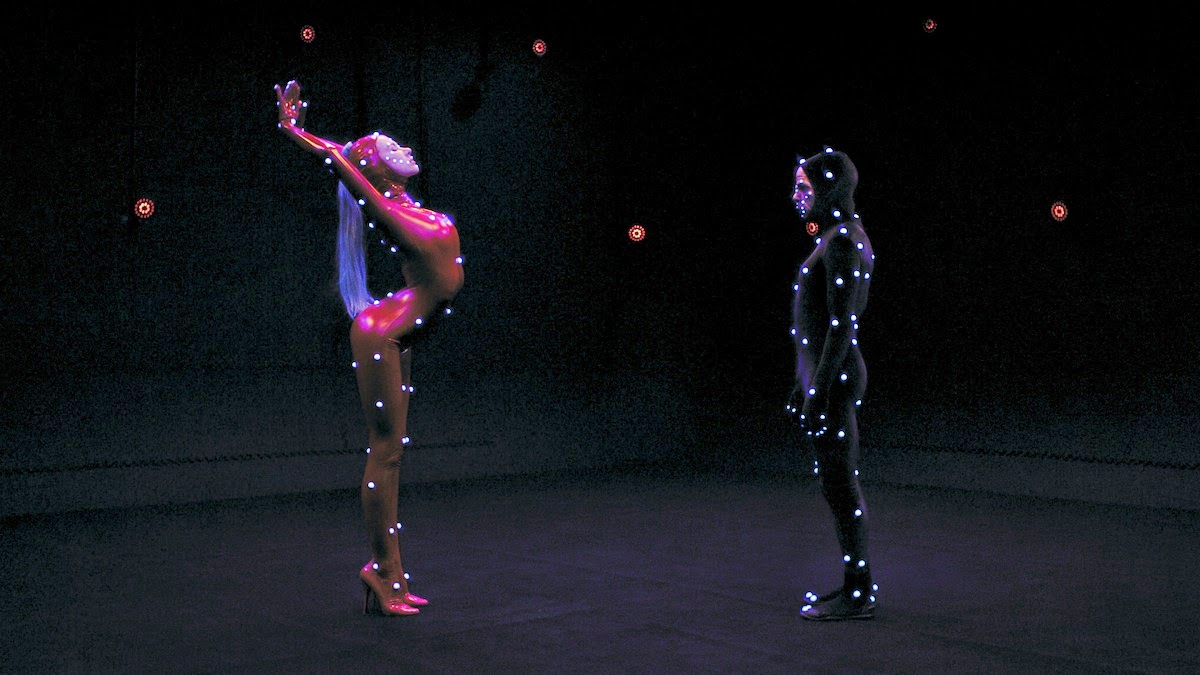
Because I’m jaded and desensitized to movies. I can’t suspend my disbelief—and do I even want to? I’ve read Laura Mulvey and Brecht and is mimesis even good? Or is it just escapism/bread and circuses? Is catharsis good, or does it just satiate us so we don’t challenge the status quo? Freshman year I was fascinated by mumblecore. Joe Swanberg stripped away all the excesses of filmmaking—plot, camerawork, production values, acting, dialogue—but his movies were still powerful. By getting rid of everything that I thought made a movie, Swanberg got to the heart of what a movie really was. Or could be, anyway.
Holy Motors does the same thing from the opposite direction. There’s no suspension of disbelief. There’s no character development—no characters, really. There’s no narrative continuity. And it still works. The musical sequence is totally self-aware but it’s still tragic and moving, somehow. But tragic and moving in a way I can connect to. Tonight I saw The Immigrant and I loved it, it was beautiful and heartbreaking and melodramatic and tragic, but how am I supposed to connect to that? There’s nothing ugly or ironic or cynical in the world of that movie. How am I supposed to reconcile that with my life? I’m so cynical and jaded and I think that was keeping me from totally entering the world of the film. Whereas with Holy Motors, it’s understood that you’re jaded. It’s understood that you can’t fully commit to the reality of the story, and no one’s asking you to.
I read something a while back about how Georges Méliès never really went for suspension of disbelief in his movies. People draw a binary between him and the Lumière brothers, with them advocating realism and him advocating escapism, but it’s not that cut and dry. This writer called Méliès’ films “montages of attractions,” and to me Holy Motors went back to that. Holy Motors is so cinematic. It’s Cinema with a capital C. It’s like Léos Carax asked himself what Cinema is, what it feels like, and then compiled scenes that illustrate that. If an alien asked what movies were about, I’d show them Holy Motors. When the beggar is running through the cemetery and the Godzilla theme song comes on, there’s no reason why that should have conjured such a profound feeling in me, but it did. The movie is beautiful. That scene at the very beginning with the forest wallpaper? Oh my god, that’s beautiful. It’s like they took out everything I don’t care about in a movie and just left the music and the images and the moods.
There’s also something that I can’t quite put my finger on... something about the end of film and digital cinema. I get so depressed about that stuff. Holy Motors felt like a requiem, a summing up of everything that film meant. Film is more than just a medium, it’s Cinema, it’s Melodrama, it’s Ingrid Bergman, it’s La Strada, it’s something tangible and mechanical that you watch in a theater. It’s bourgeoisie and decadent and so it’s doomed to die, but it’s beautiful. But maybe Holy Motors is also a map for how to go forward. Because it’s self-aware and digital and it still packs a punch. Léos Carax finds poetry in digital tracking markers. Just like Joe Swanberg found power in cold, sterile video, Carax finds beauty in deconstruction and self-awareness.
Once at Boston Underground I saw a video mixtape from the Whore Church: an overwhelming ADD onslaught of trash videos and pornos cut together at subliminal speeds. Really terrible stuff. But I was watching it and I was really struck by the vocabulary and style of it. I remember thinking, “This is new. If artists want to keep moving forward, they’re going to have to find the power in this stuff.” Then I saw M Dot Strange’s film We Are The Strange. He draws from trashy digital vocabularies: anime, 8-bit video games, 4chan stuff, but he uses that iconography to tell a really haunting story about trying to live in a world gone mad. It’s legitimate melodrama told in a contemporary style. A movie like that can reach people on a level that traditional melodrama can’t. A movie like The Immigrant can synch up perfectly with a certain kind of person, but for film students that are jaded and desensitized and filled with this buzzing anxiety, they need a movie that recognizes that and takes that into the equation. It’s like a different level of semiotics. I want movies that say "even with real life in its awkwardness and ugliness, it’s still possible for life to be beautiful and important like in the movies." I feel like melodrama is a really important aspect of human nature, and maybe it’s the most important part of cinema. I want movies like Holy Motors that say “Even when you’ve lost all suspension of disbelief, movies can still be beautiful.”
Tucker Johnson

I’m actually fairly surprised I landed on this film as the best but then I realized that out of all my possible choices I come back to this one the most. I own a fair few of my choices and I’ve definitely carved the deepest path in my copy of The Social Network. Aaron Sorkin’s screenplay took a revolutionary true story and turned it into an arguably even more interesting piece of fiction that paints the facts of Mark Zuckerberg’s rise to being the youngest billionaire of all time with broad strokes and spends far more of its time in the trenches of exactly what people will do to each other when unbridled success is waiting in the wings. He even manages to squeeze sympathy out of audiences for Jesse Eisenberg’s character by showing that despite the juggernaut that Facebook became, it was still driven by the very human needs to succeed, to impress, and to inspire forgiveness in those we care about most. But even with Sorkin churning out arguably the best screenplay of his career, the material needed a director who could handle the dialogue and work the actors hard enough to deliver it with the verve and emotion it deserved. Enter: David Fincher.
I’m definitely biased towards David Fincher. I consider the man a master of filmmaking at this point in his career but even I remember being very wary of him taking on “the Facebook movie” early in the film’s production. I saw the film in a theater packed with an audience that was more likely expecting the kind of film that the Ashton Kutcher movie Jobs ended up being. I spent the film’s two-hour runtime in awe of Fincher’s crisp, dark visual style (aided by Jeff Cronenweth’s realistic yet beautiful cinematography) and his total control over some of the best young actors working today. He had a firm handle on Sorkin’s dialogue but still managed to direct performances that sounded like intelligent people talking rather than actors simply reading movie dialogue. All this combined with Trent Reznor and Atticus Ross’ eerie ambient score propels the film into a place that I think films rarely get to go.
Michelle Siracusa

Lucas Mangum

I'm going with The Dark Knight Rises. I'm a sucker for a good hero story, especially when the hero has to really descend before he triumphs. I also like how the ending seems upbeat (I, for one, have always wanted a Bat/Cat romance), but also carries some ambiguity. Is he really alive, or is Alfred dreaming? It came out in the same summer as The Avengers, which I loved. They had similar plots, but the Batman film felt like The Avengers' evil twin. So much bleaker.
Tim Earle

Films face a crisis these days. Home entertainment systems are high enough quality, and downloading films is easier and easier. Meanwhile, television has quietly become the preferred medium of talented, forward thinking storytellers. The Avengers is, for better or worse, the solution to this crisis. I like the film - it’s surprisingly well written for a big budget slug fest - but more than anything, I admire what it represents, in terms of historical precedent. The film is a demonstration of film learning from TV. It’s a deeply serialized story that requires an understanding of what’s happening in a previously established world. Like the Lord of the Rings series, it is a film for fans. A film for people who have maps of places that don’t exist. A film for people who like watching impossible universes built and populated with impossible people. Unlike Lord of the Rings though, its storytelling possibilities are limitless. It is the first step in a long, potentially endless story. Of course, there are dangers in making a movie franchise like this. The biggest one is that I worry studios have gotten the impression that to make real money you need bloated franchises with lots of people punching each other. What The Avengers should be teaching us is that the talking is far more important than the punching. And it is a deeply corporate entity; it’s inseparability from other films and TV is just as much a boon to its storytelling as its inseparability from toys and lunchboxes is a hindrance. But what really knocks this film out of the park for me is that the great technicians of film, George Lucas and James Cameron, have finally been dethroned by the writers. Also, “Mewling quim.”
Noah Adrien Lyons
Scout Tafoya
For the last few years Robert Greene has written a column on the continuing progress of cinematic non-fiction over at Hammer-to-Nail. Greene's been on the front lines, trying to talk people down from their anti-documentary bias and America's tendency to laud movies content to give you information with all the tact and grace of an infomercial. Meanwhile he's championed groundbreaking oddities like Leviathan, The Act of Killing and even line-riders like Computer Chess. More than any kind of film, what Greene pursues over everything is the truth, and that is bigger than just facts told you to be a guy in a room. The truth sometimes bypasses your brain and heads right to your guts and it's impossible to ignore. Greene's own films are an extension of his search for a better, more enlightened conversation about nonfiction, and they're like nothing you've ever seen. For the last decade-and-a-half American indie fiction has been searching for the language that Greene finally found in his second film Kati with an I, about his cousin's heartbreaking final days as a high school student. He returned a year later with Fake It So Real about the characters in a non-professional wrestling circuit. And now he's a month away from seeing his latest film, Actress, play theatres across the country. Which is good news for everyone who wants to know how close to perfect the modern non-fiction film has yet come.
I toyed with writing this about any number of mind-blowing 'documentaries' including Manakamana, Miners' Hymns, Patience (After Sebald), Leviathan, Perhaps Beauty Has Strengthened Our Resolve, Two Years At Sea or Whores Glory or even Computer Chess and Under The Skin, but ten minutes into Actress I knew ita was special even in that rarified company. Actress follows Brandy Burre, who took a few years off from her career to have children, getting back into the world of auditions and performing. Burre is a sparky, vivacious person and a loving mother. Like any of us she has flaws that hurt her relationships, and every one of them complicates what we thought we knew about her. Filmmakers try and fail to write characters like her every day. Greene's there at every crucial juncture in Burre's life over many months including her efforts to deal with several changes to her life and daily routine, most of which she's placed there herself. She talks to Greene and the audience as if we were all sitting in her kitchen, sharing a drink with her after her kids have settled down for the night. There's immediacy and honesty, and then there's a woman pouring herself a glass of wine and telling us when she fell out of love with the father of her children. Greene's always found humanity where others would have found mere objects or figureheads, and Actress hums and shakes with it. Burre's the first of his characters who's middle aged and has a sense of her legacy and her place in the world and watching her contemplate them is impossibly compelling. Greene provides a slow-motion playback of the moments just before everything came off the rails, using little else but what Burre surrounds herself with day after day. It's gripping, but more importantly, it's fucking cinematic.
Greene places himself where few others would dare to venture, her private rehearsals, curlers still in her hair, in the shower after one of the most taxing days of her life. He's not recording because it has anything to do with her life as a series of facts, but because he's telling her story the only way he knows how, with the language of dramatic filmmaking. A standard doc about the life of a struggling actress would be answering questions left and right, squeezing every inch of drama from her nerves, getting between the audience and the subject. Greene hangs back, no agenda, no judgment, letting Burre tell her own story through gestures on her own time. One of the film's best moments has her driving to meet someone listening to Colin Blunstone's "Let Me Come Closer To You," which has more thematic resonance than she or Greene could ever have known when the moment occurred, as Burre just drives to a train station. She's deep in thought and we only later know what's going on in her troubled mind. Then the song continues as the film jumps through her evening, but it remains the recording from the car stereo. Greene always keeps rough edges and in so doing the making of a modern documentary becomes the subtext, the third party to everyone of his character studies. You would never mistake Actress for conventional (and what greater tragedy is there then a film this heartbreaking looking like a mutation next to most distributed docs?), least of all because in spending time with a woman reliving and restarting the part of her life where she pretends to be someone else, we find the perfect encapsulation of Greene's pursuit. A headlong dive into the space between cinematic reality, life and fiction. Who is Brandy Burre? Is she her job, her family, her flaws, her characters, her hopes or fears? Greene never makes us choose because Burre herself doesn't have to. She's not a character in a movie, she's a person fighting to make sure tomorrow's better. Actress is the non-fiction film of the decade, a gauntlet thrown at anyone looking to tell the truth with a camera. Cinema, like Burre, is staring into its future. "This is what I wanted...but now I have to do it."
Noah Aust
Because I’m jaded and desensitized to movies. I can’t suspend my disbelief—and do I even want to? I’ve read Laura Mulvey and Brecht and is mimesis even good? Or is it just escapism/bread and circuses? Is catharsis good, or does it just satiate us so we don’t challenge the status quo? Freshman year I was fascinated by mumblecore. Joe Swanberg stripped away all the excesses of filmmaking—plot, camerawork, production values, acting, dialogue—but his movies were still powerful. By getting rid of everything that I thought made a movie, Swanberg got to the heart of what a movie really was. Or could be, anyway.
Holy Motors does the same thing from the opposite direction. There’s no suspension of disbelief. There’s no character development—no characters, really. There’s no narrative continuity. And it still works. The musical sequence is totally self-aware but it’s still tragic and moving, somehow. But tragic and moving in a way I can connect to. Tonight I saw The Immigrant and I loved it, it was beautiful and heartbreaking and melodramatic and tragic, but how am I supposed to connect to that? There’s nothing ugly or ironic or cynical in the world of that movie. How am I supposed to reconcile that with my life? I’m so cynical and jaded and I think that was keeping me from totally entering the world of the film. Whereas with Holy Motors, it’s understood that you’re jaded. It’s understood that you can’t fully commit to the reality of the story, and no one’s asking you to.
I read something a while back about how Georges Méliès never really went for suspension of disbelief in his movies. People draw a binary between him and the Lumière brothers, with them advocating realism and him advocating escapism, but it’s not that cut and dry. This writer called Méliès’ films “montages of attractions,” and to me Holy Motors went back to that. Holy Motors is so cinematic. It’s Cinema with a capital C. It’s like Léos Carax asked himself what Cinema is, what it feels like, and then compiled scenes that illustrate that. If an alien asked what movies were about, I’d show them Holy Motors. When the beggar is running through the cemetery and the Godzilla theme song comes on, there’s no reason why that should have conjured such a profound feeling in me, but it did. The movie is beautiful. That scene at the very beginning with the forest wallpaper? Oh my god, that’s beautiful. It’s like they took out everything I don’t care about in a movie and just left the music and the images and the moods.
There’s also something that I can’t quite put my finger on... something about the end of film and digital cinema. I get so depressed about that stuff. Holy Motors felt like a requiem, a summing up of everything that film meant. Film is more than just a medium, it’s Cinema, it’s Melodrama, it’s Ingrid Bergman, it’s La Strada, it’s something tangible and mechanical that you watch in a theater. It’s bourgeoisie and decadent and so it’s doomed to die, but it’s beautiful. But maybe Holy Motors is also a map for how to go forward. Because it’s self-aware and digital and it still packs a punch. Léos Carax finds poetry in digital tracking markers. Just like Joe Swanberg found power in cold, sterile video, Carax finds beauty in deconstruction and self-awareness.
Once at Boston Underground I saw a video mixtape from the Whore Church: an overwhelming ADD onslaught of trash videos and pornos cut together at subliminal speeds. Really terrible stuff. But I was watching it and I was really struck by the vocabulary and style of it. I remember thinking, “This is new. If artists want to keep moving forward, they’re going to have to find the power in this stuff.” Then I saw M Dot Strange’s film We Are The Strange. He draws from trashy digital vocabularies: anime, 8-bit video games, 4chan stuff, but he uses that iconography to tell a really haunting story about trying to live in a world gone mad. It’s legitimate melodrama told in a contemporary style. A movie like that can reach people on a level that traditional melodrama can’t. A movie like The Immigrant can synch up perfectly with a certain kind of person, but for film students that are jaded and desensitized and filled with this buzzing anxiety, they need a movie that recognizes that and takes that into the equation. It’s like a different level of semiotics. I want movies that say "even with real life in its awkwardness and ugliness, it’s still possible for life to be beautiful and important like in the movies." I feel like melodrama is a really important aspect of human nature, and maybe it’s the most important part of cinema. I want movies like Holy Motors that say “Even when you’ve lost all suspension of disbelief, movies can still be beautiful.”
Tucker Johnson
I’m actually fairly surprised I landed on this film as the best but then I realized that out of all my possible choices I come back to this one the most. I own a fair few of my choices and I’ve definitely carved the deepest path in my copy of The Social Network. Aaron Sorkin’s screenplay took a revolutionary true story and turned it into an arguably even more interesting piece of fiction that paints the facts of Mark Zuckerberg’s rise to being the youngest billionaire of all time with broad strokes and spends far more of its time in the trenches of exactly what people will do to each other when unbridled success is waiting in the wings. He even manages to squeeze sympathy out of audiences for Jesse Eisenberg’s character by showing that despite the juggernaut that Facebook became, it was still driven by the very human needs to succeed, to impress, and to inspire forgiveness in those we care about most. But even with Sorkin churning out arguably the best screenplay of his career, the material needed a director who could handle the dialogue and work the actors hard enough to deliver it with the verve and emotion it deserved. Enter: David Fincher.
I’m definitely biased towards David Fincher. I consider the man a master of filmmaking at this point in his career but even I remember being very wary of him taking on “the Facebook movie” early in the film’s production. I saw the film in a theater packed with an audience that was more likely expecting the kind of film that the Ashton Kutcher movie Jobs ended up being. I spent the film’s two-hour runtime in awe of Fincher’s crisp, dark visual style (aided by Jeff Cronenweth’s realistic yet beautiful cinematography) and his total control over some of the best young actors working today. He had a firm handle on Sorkin’s dialogue but still managed to direct performances that sounded like intelligent people talking rather than actors simply reading movie dialogue. All this combined with Trent Reznor and Atticus Ross’ eerie ambient score propels the film into a place that I think films rarely get to go.
Michelle Siracusa
From the start, something is not quite right. You are thrown all the makings of a horror story, down to ink drops that spatter like blood behind a title that's haphazardly scrawled across the screen. Stoker sputters like a volcano and stops just in time for the birds to resume their chirping. But every now and then the earth beneath us shudders again. The pressure builds: a hint of violence, of the macabre here and there. And all we have to do is sit back and wait: wait for something to surface, wait for the monster to be revealed.
It's the suspense of not knowing what route a story might take that keeps us excited and engaged, but lately, I find this can be a movie's downfall. There are too many clues, sometimes characters even stating the circumstances outright. Why tell me what you're doing when you can show me? The point of film is to be able to see a story unfold, right? Unfortunately, most movies these days can be deciphered long before the story comes to fruition. And that's the "good movies". The bad ones don't even have plots to hint at. Oftentimes, I end up paying New York City's $14 ticket price to ogle Hollywood's sexiest men and women for two hours. They hop around a green screen saying words to each other that don't mean anything in tight outfits. Don't get me wrong, this is a spectacle all it's own, but I don't consider it art. How can it be when I'm not changed by it? My eyes are just darting back and forth, convincing my mind it's being entertained. For people like me, who are hungry for a good story, who crave something that will shake their souls and rattle their brains, I suggest you watch Stoker.
From the start, something is not quite right. A father has just died. And we are introduced to a mourning family that seems a little too put together for the circumstances. We never see them cry, but that's not what makes them stand out from the rest of the humdrum denizens that populate their town. The mother (Nicole Kidman) always appears freshly hair-sprayed and doll-like, overdressed and made-up. She makes cheery and careful small talk with fellow family and guests at the funeral reception. Here, we meet an estranged uncle (Matthew Goode). Too charming and too cool, he tells stories of having traveled the world, which is his apology for not being a present member of the family until the death of his brother. He wants to turn that all around, and everyone smiles and accepts him without question. After that all talk of the beloved late father is hushed. The mother invites the uncle to stay with her and her daughter, India (Mia Wasikowska). And the family is once again a man, a woman, and a child. From the outside, they would appear perfect, if no one knew the circumstances. This is a lovely theme that Stoker puts in place early on exploring appearances versus reality and the external versus the internal. The house is pristine, but the basement is shadowed, cob-webbed, and damp. Some people are beautiful to look at, but it doesn't mean they're beautiful to be around.
India is ivory skinned and forever curious, as young people are. She's an oddball at school, perhaps because of her sullen and quiet nature or her prim and studious demeanor. But that isn't the only reason why she's "different". She is also the only one who refuses to smile for the sake of appearances, the only one who has never gotten alone with her mother, and the only one questioning her Uncle's presence. She stands out from her family just as much as her family stands out from the rest of the town. Stoker is a coming of age tale, told through India's perspective. At moments, poetic voiceover and brilliantly composed shots show what her eyes would see or what her ears would hear. We are with her, in her head, catching glimpses of private conversations and tense moments between the other characters through cracked doors and open windows. They are all pieces of a puzzle, lava beginning to boil. And the more India learns about who to trust and who to not, the more we do as well.
There's not evidence of foul play. There's no crime. In fact, everything's peachy, but we still don't know why the father died. No one's asking. Everyone's eating ice cream or being picked on by the school bully like normal, until suddenly we catch a glimpse of a body stored in the freezer. The pressure is building. Sometimes characters stare a bit too long, unblinking, and we're reminded, something is not quite right. An explosion is imminent. The film begins with India as a young as can be, climbing trees and running through leagues of grass without a care in the world, other than finding that year's hidden birthday present. But suddenly , everything changes for her. Her father's death and her uncle's appearance become a catalyst for her growing up. We watch her trying to discover who she is and trying to find independence while dealing with her new family and their new rules. We learn that she was only ever close to her father, and, now, without her instructor and protector, she must learn to fend for herself.
We are all that child, or we have been. We've been derailed and insecure, needing something more to feel whole. We know the wide-eyed discovery of a first sip of wine. And we know what it feels like to find something that makes us feel free. Stoker is about India's discovery of what makes her feel free, what makes her adult. The movie's grandest achievement lies in that it's both artfully constructed and relatable. The characters never state a thing outright about their family's history, but the film's intricate subtleties manage to fill us in on the mysterious Uncle's past and, eventually, expose the family's many skeletons. Scenes are interwoven to reveal similarities between the 3 surviving family members, showing just how far from the tree the apple falls. India learns that there are some things you can't help but inherit from your genepool. I think my favorite part was never once knowing what exactly was going to happen. The script never reflected upon itself, and instead, I had the pleasure of seeing actors react to events and each other without words. Park Chan-Wook's direction was guttural and captivating, and I applaud it.
Although the volcano takes its time seething, frothing and finally exploding, Stoker had me from the start. I was so wrapped up in all that was not quite right that I forgot I was waiting for a monster to appear. I'm glad I forgot because the ending would eclipse all my expectations. Stoker isn't a typical horror film. But, I hardly expected the monsters I was looking for to be in plain view. I had been living with them. I watched them grow and change. After 99 minutes, I knew them and sympathized with them; so that, by the time they were fully grown and evil, I was there too. Secretly having turned savage, anxious to spill blood alongside characters I'd grown to love. Stoker is a primal and dark film. It explores evolution and survival of the fittest in a modern world, where lying and confidence are your best friends. It challenges the definition of a villain. It's complex, yet simple; inspiring, yet terrifying, in suggesting that we are not responsible for who we become. We are all born with both light and darkness. It's only until we stop resisting our true wants and needs that we are finally free, finally adult, and finally content. With this realization, India becomes both our hero and our villain. She's unapologetic. I think we all want to be that girl, at least a little.
Lucas Mangum
I'm going with The Dark Knight Rises. I'm a sucker for a good hero story, especially when the hero has to really descend before he triumphs. I also like how the ending seems upbeat (I, for one, have always wanted a Bat/Cat romance), but also carries some ambiguity. Is he really alive, or is Alfred dreaming? It came out in the same summer as The Avengers, which I loved. They had similar plots, but the Batman film felt like The Avengers' evil twin. So much bleaker.
Tim Earle
Films face a crisis these days. Home entertainment systems are high enough quality, and downloading films is easier and easier. Meanwhile, television has quietly become the preferred medium of talented, forward thinking storytellers. The Avengers is, for better or worse, the solution to this crisis. I like the film - it’s surprisingly well written for a big budget slug fest - but more than anything, I admire what it represents, in terms of historical precedent. The film is a demonstration of film learning from TV. It’s a deeply serialized story that requires an understanding of what’s happening in a previously established world. Like the Lord of the Rings series, it is a film for fans. A film for people who have maps of places that don’t exist. A film for people who like watching impossible universes built and populated with impossible people. Unlike Lord of the Rings though, its storytelling possibilities are limitless. It is the first step in a long, potentially endless story. Of course, there are dangers in making a movie franchise like this. The biggest one is that I worry studios have gotten the impression that to make real money you need bloated franchises with lots of people punching each other. What The Avengers should be teaching us is that the talking is far more important than the punching. And it is a deeply corporate entity; it’s inseparability from other films and TV is just as much a boon to its storytelling as its inseparability from toys and lunchboxes is a hindrance. But what really knocks this film out of the park for me is that the great technicians of film, George Lucas and James Cameron, have finally been dethroned by the writers. Also, “Mewling quim.”
Noah Adrien Lyons
Polydoxical Cinema Poetics for Under the Skin
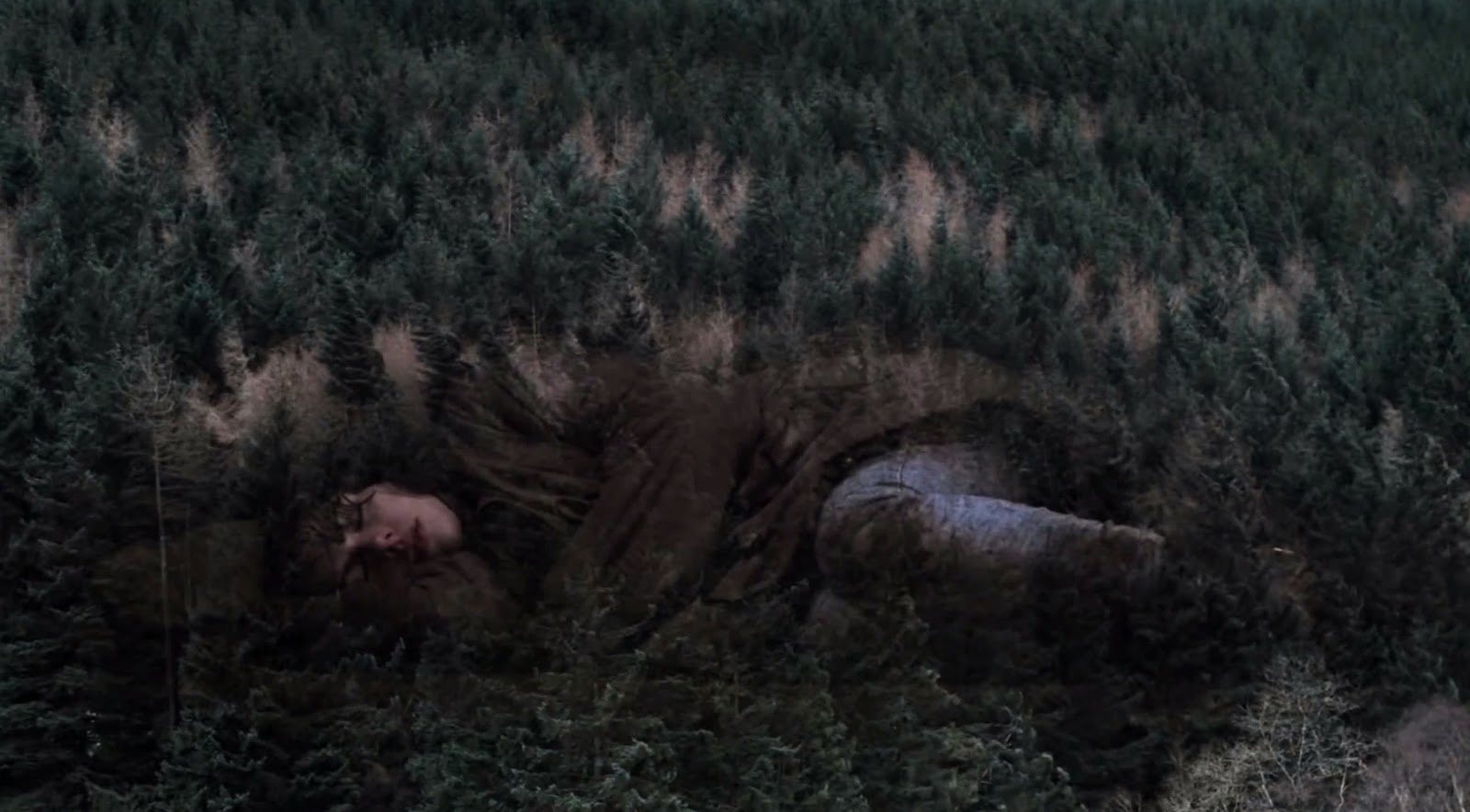
Under the Skin is the best film of this decade so far, and this is why: We now live – in our birth bodies and our avatars – in a post-secular world that has seen tidal waves of progressive and liberatory movements. Civil rights, waves of feminism, postmodernism, post-structuralism, nihilism, cold and hot wars, multiculturalism, liberational theory, queer theory….Science fiction has shifted from the hard-science and optimistic teleology of the Golden Age, through the New Wave counter-cultural ‘highbrow’ of Samuel Delany, Joanna Russ, Zelazny, Disch….then a return to optimism in the guise of cyberpunk, which glamourizes and aestheticizes the neon city, drugs, Donna Harraway’s feminist-cyborgism and modification of the self. But Rodney King, to name just one instance, demythologized the cyberpunk allure, exposing the grim reality of urban poverty and gentrification; HIV/AIDS and the War on Drugs demonized – and gave subjectivity/agency – to the marginalized and the underground. Suddenly, “The Truth is Out There”, and the government conspiracy is fantasized about to resurrect the Mythical Being (alien, god), and to place blame not on ourselves but the Government for the slow decline of community, trust, and holistic art. Y2K – HAL is back, and it’s our fault. Apocalypse is not heaven-sent or cosmic, but technological avarice and enslavement. Remember Alan Watts and the French profs, they were right. This is illusion. There must be a real body, a real affair of the heart, a real Earth. But proliferation of 2000s cynicism and media saturation obliterates this gnostic hope, and leaves tepid cynicism and submission to the internet’s “virtual” alternative to an already virtual world. This ‘time’ line I choose to end arbitrarily with the “hipster ironic” zeitgeist. A Lacanian mirror phase so perverse that to be ironic, one must not be ironic, which is in fact ironic; any actual claim like “I believe in…” or “I love…” or “This is the best fuckin film ever” are NEVER said, because we feel we cannot believe in any truth or believe in our own opinions – for shame.
Why Under the Skin? Because it caused me to write this aporia-laden time-line of science fiction and modern solipsisms. Because it invokes past occasions, actualizes itself in the present, and ruptures open exciting and novel potentialities for the future. Because the world we live in is a soft, autumn sadness; CGI and avatars and ironic art are not explosions but dreadful, fading echoes of eschatological joy. Look and listen. See how what we were formed what we are, and what we are is more than skin or name; we are not Cartesian schizo-monads. We are others. Shed skin, ashes in snow, geometric deities yawning wide in space. Re-enchantment. Look it up if you have to. Post-secular, and polydoxy – ditto. When was the last time you touched someone? Stare hegemony straight in its slithering maw, fear it, fear irony, and scream. But do not rape the rapist. Gently hold your tattered body like the holy relics they are, and really look at your own face, tears of mourning and praise. The fire consumes, but ashes drift UNDER THE SKIN OF DAWN and perish, everlasting, atoms for those born tomorrow.
Dan Khan

These days, I am a sucker for movies that take their time. What people generally call boring, I call contemplative. That may sound pretentious I am aware, but I think it’s valid. There were a number of films I could’ve picked, so why did I choose Sofia’s Coppola’s Somewhere? I still don’t quite know, but I know that I love every minute of it. After the experimental period piece misfire, Marie Antoinette, Coppola returns with something far more refined and personal. You can certainly tell there’s something close to her heart here and there’s no doubt that it’s also something quite special.
Stephen Dorff is one those actors that never really quite had the career that most actors dream about and too few people care about him. You probably remember him as the villain from Blade, but thankfully (though I admit I enjoyed that performance) he is nothing like that here. Dorff has never really been given this kind of role before and he nails every nuance, every line, every movement, every expression so naturally. Here he plays Johnny Marco, an actor experiencing an existential crisis who has to deal with his 11-year old daughter (Elle Fanning) when his ex-wife suffers a breakdown and vanishes, leaving the girl in his care. This is a premise rife for a Lifetime movie, but luckily it’s not and it’s in the hands of someone who rises well above that sort of trite material. Coppola used her childhood experiences, recalling her father, Francis Ford Coppola making movies. The way in which the film unravels reminds one of Chantal Akerman’s masterpiece, Jeanne Dielman, 23 quai du Commerce, 1080 Bruxelles. In that film, we see the daily routine of a a Belgian housewife. In Somewhere, we see the daily routine of an actor and how in many ways just how simple, uninspiring and repetitious that can be.
When I saw this film the first time, way back when, I was immediately very dismissive. I used that much reviled word “boring” to describe it. No doubt, it’s a film that requires patience and it’s certainly not paced in a way to elicit excitement. It’s a film that demanded I give it another chance and I am glad I did, because it’s more far rewarding that I initially realized. It’s a character study in a way that unfolds unlike most others, it doesn't have a beginning, a middle and an end. It’s just life. Coppola understands this. Dorff has never better and Fanning is as wonderful as you would hope she’d be, in fact if I have a complaint it's that I wish she was in it more. I realize, this is not a film most would choose, and while I had other classics like The Tree of Life, The Master and Holy Motors (and, I might add, Coppola's followup, The Bling Ring, is also a treasure) to choose from, I think Somewhere is as great as those or any film released in the past four years.
Why Under the Skin? Because it caused me to write this aporia-laden time-line of science fiction and modern solipsisms. Because it invokes past occasions, actualizes itself in the present, and ruptures open exciting and novel potentialities for the future. Because the world we live in is a soft, autumn sadness; CGI and avatars and ironic art are not explosions but dreadful, fading echoes of eschatological joy. Look and listen. See how what we were formed what we are, and what we are is more than skin or name; we are not Cartesian schizo-monads. We are others. Shed skin, ashes in snow, geometric deities yawning wide in space. Re-enchantment. Look it up if you have to. Post-secular, and polydoxy – ditto. When was the last time you touched someone? Stare hegemony straight in its slithering maw, fear it, fear irony, and scream. But do not rape the rapist. Gently hold your tattered body like the holy relics they are, and really look at your own face, tears of mourning and praise. The fire consumes, but ashes drift UNDER THE SKIN OF DAWN and perish, everlasting, atoms for those born tomorrow.
Dan Khan
These days, I am a sucker for movies that take their time. What people generally call boring, I call contemplative. That may sound pretentious I am aware, but I think it’s valid. There were a number of films I could’ve picked, so why did I choose Sofia’s Coppola’s Somewhere? I still don’t quite know, but I know that I love every minute of it. After the experimental period piece misfire, Marie Antoinette, Coppola returns with something far more refined and personal. You can certainly tell there’s something close to her heart here and there’s no doubt that it’s also something quite special.
Stephen Dorff is one those actors that never really quite had the career that most actors dream about and too few people care about him. You probably remember him as the villain from Blade, but thankfully (though I admit I enjoyed that performance) he is nothing like that here. Dorff has never really been given this kind of role before and he nails every nuance, every line, every movement, every expression so naturally. Here he plays Johnny Marco, an actor experiencing an existential crisis who has to deal with his 11-year old daughter (Elle Fanning) when his ex-wife suffers a breakdown and vanishes, leaving the girl in his care. This is a premise rife for a Lifetime movie, but luckily it’s not and it’s in the hands of someone who rises well above that sort of trite material. Coppola used her childhood experiences, recalling her father, Francis Ford Coppola making movies. The way in which the film unravels reminds one of Chantal Akerman’s masterpiece, Jeanne Dielman, 23 quai du Commerce, 1080 Bruxelles. In that film, we see the daily routine of a a Belgian housewife. In Somewhere, we see the daily routine of an actor and how in many ways just how simple, uninspiring and repetitious that can be.
When I saw this film the first time, way back when, I was immediately very dismissive. I used that much reviled word “boring” to describe it. No doubt, it’s a film that requires patience and it’s certainly not paced in a way to elicit excitement. It’s a film that demanded I give it another chance and I am glad I did, because it’s more far rewarding that I initially realized. It’s a character study in a way that unfolds unlike most others, it doesn't have a beginning, a middle and an end. It’s just life. Coppola understands this. Dorff has never better and Fanning is as wonderful as you would hope she’d be, in fact if I have a complaint it's that I wish she was in it more. I realize, this is not a film most would choose, and while I had other classics like The Tree of Life, The Master and Holy Motors (and, I might add, Coppola's followup, The Bling Ring, is also a treasure) to choose from, I think Somewhere is as great as those or any film released in the past four years.
Subscribe to:
Posts (Atom)