This is more about discovering my limitations as a cinephile than as a definitive ranking of anything, but I went through every year's crop of films and assigned prizes as if they were all competing at the Cannes Film Festival. This is maybe a little silly, but it was also fun. This stems from my constant frustration that the Palme is not routinely rewarded to the film that breaks the most ground for the art of cinema. Amour springs to mind. Fine enough movie (if you're into that sort of thing) but grammatically conventional. Remember that was the year Holy Motors played in competition. I added the Camera d'Or the year that Cannes did just to stop myself from going totally insane. And I'm playing by Cannes rules in that I'm trying not to give any one film two awards, which means compromise in categories. So, again, not a definitive ranking, just a game. Oh, and I'm starting arbitrarily in 1930.
1930
Palme d’Or: Morocco
Grand Prix: L'Age d'Or
Prix du Jury: Earth
Director: Josef Von Sternberg - The Blue Angel / Morocco
Actor: Lon Chaney - The Unholy Three
Actress: Pola Illéry - Under The Roofs of Paris
Screenplay: The Blue Angel
1931
Palme d’Or: M
Grand Prix: The 3 Penny Opera
Prix du Jury: Night Nurse
Director: Rene Clair - A Nous la Liberte
Actor: Ronald Colman - Arrowsmith
Actress: Dorothy Mackaill - Safe in Hell
Screenplay: Frankenstein
1932
Palme d’Or: Vampyr
Grand Prix: Freaks
Prix du Jury: The Most Dangerous Game
Director: Josef Von Sternberg - Shanghai Express
Actor: Charles Laughton - Island of Lost Souls
Actress: Jean Harlow - Red Dust
Screenplay: Trouble In Paradise
1933
Palme d’Or: Testament of Dr. Mabuse
Grand Prix: King Kong
Prix du Jury: Duck Soup
Director: Fritz Lang - Testament of Dr. Mabuse
Actor: Paul Robeson - Emperor Jones
Actress: Ruby Keeler - 42nd Street
Screenplay: The Emperor Jones
1934
Palme d’Or: The Black Cat
Grand Prix: Man of Aran
Prix du Jury: Dames
Director: Josef Von Sternberg - The Scarlet Empress
Actor: W.C. Fields - It's A Gift
Actress: Claudette Colbert - It Happened One Night
Screenplay: It Happened One Night
1935
Palme d’Or: La Bandera
Grand Prix: Top Hat
Prix du Jury: The Informer
Director: Karl Freund - Mad Love
Actor: Boris Karloff - The Black Room
Actress: Marlene Dietrich - The Devil is a Woman
Screenplay: A Night at the Opera
1936
Palme d’Or: Follow The Fleet
Grand Prix: Things To Come
Prix du Jury: Fury
Director: Busby Berkeley - Gold Diggers of 1937
Actor: William Powell - My Man Godfrey
Actress: Sylvia Sidney - Sabotage
Screenplay: Dodsworth
1937
Palme d’Or: Grand Illusion
Grand Prix: Lost Horizon
Prix du Jury: The Hurricane
Director: Frank Borzage - History is Made at Night
Actor: Victor Moore - Make Way for Tomorrow
Actress: Beulah Bondi - Make Way For Tomorrow
Screenplay: Pepe le Moko
1938
Palme d’Or: Alexander Nevsky
Grand Prix: The Lady Vanishes
Prix du Jury: Bringing up Baby
Director: Marcel Carne - Port of Shadows
Actor: Cary Grant - Holiday
Actress: Simone Simon - La Bete Humaine
Screenplay: The Lady Vanishes
1939
Palme d’Or: Rules of the Game
Grand Prix: Young Mr. Lincoln
Prix du Jury: Only Angels Have Wings
Director: John Ford - Young Mr. Lincoln/Stagecoach
Actor: Jean Gabin - Daybreak
Actress: June Duprez - The Four Feathers
Screenplay: Jamaica Inn
1940
Palme d’Or: The Thief of Bagdad
Grand Prix: Fantasia
Prix du Jury: Go West
Director: John Ford - The Long Voyage Home
Actor: Cary Grant - His Girl Friday
Actress: Rosalind Russell - His Girl Friday
Screenplay: The Philadelphia Story
1941
Palme d’Or: Citizen Kane
Grand Prix: Swamp Water
Prix du Jury: The Lady Eve
Director: Michael Curtiz - The Sea Wolf
Actor: Walter Huston - The Devil & Daniel Webster
Actress: Veronica Lake - Sullivan’s Travels
Screenplay: The Maltese Falcon
1942
Palme d’Or: Casablanca
Grand Prix: Cat People
Prix du Jury: The Jungle Book
Director: Orson Welles - The Magnificent Ambersons
Actor: Humphrey Bogart - Casablanca
Actress: Simone Simon - Cat People
Screenplay: The Palm Beach Story
1943
Palme d’Or: Le Corbeau
Grand Prix: Cabin In The Sky
Prix du Jury: I Walked With A Zombie
Director: Carl Th. Dreyer - Day of Wrath
Actor: Henry Fonda - The Ox-Bow Incident
Actress: Theresa Wright - Shadow of a Doubt
Screenplay: The 7th Victim
1944
Palme d’Or: Ivan The Terrible
Grand Prix: Curse of the Cat People
Prix du Jury: The Three Caballeros
Director: Fritz Lang - Ministry of Fear
Actor: Peter Lorre & Sidney Greenstreet - The Mask of Dimitrios
Actress: Nina Foch - Return of the Vampire
Screenplay: Miracle of Morgan’s Creek
1945
Palme d’Or: Leave Her To Heaven
Grand Prix: Children of Paradise
Prix du Jury: My Name Is Julia Ross
Director: Edgar Ulmer - Detour / John Brahm - Hangover Square
Actor: Boris Karloff - The Body Snatcher
Actress: Celia Johnson - Brief Encounter
Screenplay: Scarlet Street
1946
Palme d’Or: Beauty & The Beast
Grand Prix: My Darling Clementine
Prix du Jury: Notorious
Director: Orson Welles - The Stranger
Actor: Fredric March - The Best Years of Our Lives
Actress: Barbara Stanwyck - The Strange Loves of Martha Ivers
Screenplay: Bedlam
1947
Palme d’Or: Black Narcissus
Grand Prix: The Lady From Shanghai
Prix du Jury: Out Of The Past
Director: Robert Montgomery - Lady In The Lake
Actor: Hume Cronyn - Brute Force
Actress: Kathleen Byron - Black Narcissus
Screenplay: The Ghost & Mrs. Muir
1948
Palme d’Or: The Red Shoes
Grand Prix: Unfaithfully Yours
Prix du Jury: Portrait of Jennie
Director: Andre De Toth - Pitfall
Actor: Robert Ryan - Act of Violence
Actress: Joan Fontaine - Letter From An Unknown Woman
Screenplay: Treasure of the Sierra Madra
1949
Palme d’Or: The Third Man
Grand Prix: The Small Back Room
Prix du Jury: Criss Cross
Director: Akira Kurosawa - Stray Dog
Actor: Claude Rains - The Passionate Friends
Actress: Jennifer Jones - We Were Strangers
Screenplay: Thieves Highway
1950
Palme d’Or: Rashomon
Grand Prix: Los Olvidados
Prix du Jury: Wagonmaster
Director: Michael Powell - Gone To Earth
Actor: Richard Widmark - Night And The City
Actress: Barbara Stanwyck - The Furies
Screenplay: In A Lonely Place
1951
Palme d’Or: Pandora & The Flying Dutchman
Grand Prix: The Prowler
Prix du Jury: On Dangerous Ground
Director: Michael Powell - Tales of Hoffmann
Actor: Robert Walker - Strangers on a Train
Actress: Katherine Hepburn - The African Queen
Screenplay: Ace In The Hole
1952
Palme d’Or: Forbidden Games
Grand Prix: Singin’ In The Rain
Prix du Jury: Ikiru
Director: Sam Fuller - Park Row
Actor: Robert Mitchum - The Lusty Men
Actress: Simone Signoret - Casque d’Or
Screenplay: Monkey Business
1953
Palme d’Or: Gate of Hell
Grand Prix: Ugetsu
Prix du Jury: The Man Between
Director: Roy Ward Baker - Inferno
Actor: Richard Widmark - Pick-Up On South Street
Actress: Harriett Andersson - Sawdust & Tinsel
Screenplay: The Wages of Fear
1954
Palme d’Or: Seven Samurai
Grand Prix: Sansho The Bailiff
Prix du Jury: Godzilla
Director: Nicholas Ray - Johnny Guitar
Actor: James Mason - A Star Is Born
Actress: Jane Wyman - Magnificent Obsession
Screenplay: Rear Window
1955
Palme d’Or: Night of the Hunter
Grand Prix: Lola Montes
Prix du Jury: All That Heaven Allows
Director: Robert Aldrich - Kiss Me Deadly
Actor: James Dean - Rebel Without A Cause
Actress: Marilyn Monroe - The Seven Year Itch
Screenplay: It’s Always Fair Weather
1956
Palme d’Or: The Searchers
Grand Prix: The Killing
Prix du Jury: Moby Dick
Director: Lionel Rogosin - On The Bowery
Actor: James Mason - Bigger Than Life
Actress: Marilyn Monroe - Bus Stop
Screenplay: Written On The Wind
1957
Palme d’Or: Paths of Glory
Grand Prix: The Seventh Seal
Prix du Jury: Kanal
Director: Mikhail Kalatozov - The Cranes Are Flying
Actor: Victor Sjöström - Wild Strawberries
Actress: Giulietta Masina - Nights of Cabiria
Screenplay: Sweet Smell of Success
1958
Palme d’Or: Mon Oncle
Grand Prix: Vertigo
Prix du Jury: Ashes & Diamonds
Director: Keisuke Kinoshita - The Ballad of Nayarama
Actor: Robert Taylor - Party Girl
Actress: Jeanne Moreau - The Lovers
Screenplay: The Revenge of Frankenstein
1959
Palme d’Or: Letter Never Sent
Grand Prix: Day of the Outlaw
Prix du Jury: Hiroshima Mon Amour
Director: Alfred Hitchcock - North By Northwest
Actor: Tatsuya Nakadai - The Human Condition / Odd Obsession
Actress: Katherine Hepburn - Suddenly Last Summer
Screenplay: Jakten
1960
Palme d’Or: L’Avventura
Grand Prix: La Dolce Vita
Prix du Jury: Home From The Hill
Director: Iosef Kheifits - The Lady With The Dog
Actor: Toshiro Mifune - The Bad Sleep Well
Actress: Edith Scob - Eyes Without A Face
Screenplay: The Ninth Circle
1961
Palme d’Or: Last Year At Marienbad
Grand Prix: Viridiana
Prix du Jury: Il Posto
Director: Allen Baron - Blast of Silence
Actor: Marcella Mastroianni - Divorce Italian Style
Actress: Anna Karina - A Woman Is A Woman
Screenplay: The Innocents
1962
Palme d’Or: L’Eclisse
Grand Prix: Cleo From 5 to 7
Prix du Jury: Ivan’s Childhood
Director: Bernardo Bertolucci - La Commare Secca
Actor: Peter O’Toole - Lawrence of Arabia
Actress: Anna Karina - Vivre Sa Vie
Screenplay: The Exterminating Angels
1963
Palme d’Or: 8 1/2
Grand Prix: Contempt
Prix du Jury: An Actor’s Revenge / Youth of the Beast
Director: Ermanno Olmi - I Fidanzati
Actor: Richard Harris - This Sporting Life
Actress: Tippi Hedren - The Birds
Screenplay: High & Low
1964
Palme d’Or: Soy Cuba
Grand Prix: Red Desert
Prix du Jury: Onibaba
Director: Masahiro Shinoda - Pale Flower
Actor: Stanley Baker - Zulu
Actress: Yumiko Nogawa - Gate of Flesh
Screenplay: Woman In The Dunes
1965
Palme d’Or: Chimes At Midnight
Grand Prix: Le Bonheur
Prix du Jury: Faster, Pussycat, Kill! Kill!
Director: Federico Fellini - Juliet of the Spirits
Actor: Lou Castel - Fists In The Pocket
Actress: Catherine Deneuve - Repulsion
Screenplay: The Hill
1966
Palme d’Or: Blow-Up
Grand Prix: Tokyo Drifter
Prix du Jury: Battle of Algiers
Director: Jean-Pierre Melville - Le Deuxieme Souffle
Actor: Tatsuya Nakadai - Sword of Doom
Actress: Jeanne Moreau - Mademoiselle
Screenplay: The Pornographers
1967
Palme d’Or: Point Blank
Grand Prix: Marketa Lazarova
Prix du Jury: The Red & The White
Director: Joseph Losey - Accident
Actor: Jo Shishido - Branded To Kill
Actress: Nadine Nortier - Mouchette
Screenplay: Japan’s Longest Day
1968
Palme d’Or: Kuroneko
Grand Prix: 2001: A Space Oddysey
Prix du Jury: Head
Director: Lindsay Anderson - If….
Actor: Peter O’Toole - The Lion In Winter
Actress: Mia Farrow - Rosemary’s Baby
Screenplay: Kill!
1969
Palme d’Or: Mr. Freeddom
Grand Prix: The Wild Bunch
Prix du Jury: Army of Shadows
Director: Teruo Ishii - Horrors of Malformed Men
Actor: Peter Cushing - Frankenstein Must Be Destroyed
Actress: Maria Callas - Medea
Screenplay: Play Dirty
1970
Palme d’Or: The Conformist
Grand Prix: Le Cercle Rouge
Prix du Jury: Zabriskie Point
Director: Jaromil Jires - Valerie & Her Week of Wonders
Actor: Alan Arkin - Catch-22
Actress: Lynn Redgrave - The Last of the Mobile Hot Shots
Screenplay: The Landlord
1971
Palme d’Or: The Devils
Grand Prix: McCabe & Mrs. Miller
Prix du Jury: Punishment Park
Director: Richard C. Sarafian - Man In The Wilderness/Vanishing Point
Actor: Walter Matthau - A New Leaf
Actress: Jane Fonda - Klute
Screenplay: The Last Picture Show
1972
Palme d’Or: Cries & Whispers
Grand Prix: Solaris
Prix du Jury: Fat City
Director: Francis Ford Coppola - The Godfather
Actor: Peter O’Toole - The Ruling Class
Actress: Patty Duke - You’ll Like My Mother
Screenplay: The Discreet Charm of the Bourgeoisie
1973
Palme d’Or: Touki Bouki
Grand Prix: The Mansion of Madness
Prix du Jury: The Friends of Eddie Coyle
Director: William Friedkin - The Exorcist
Actor: Robert Ryan - The Iceman Cometh
Actress: Tatum O’Neil - Paper Moon
Screenplay: The Last Detail
1974
Palme d’Or: The Conversation
Grand Prix: Bring Me The Head of Alfredo Garcia
Prix du Jury: Sweet Movie
Director: Robert Bresson - Lancelot Du Lac
Actor: Elliott Gould & George Segal - California Split
Actress: Madeleine Kahn - Young Frankenstein
Screenplay: Edvard Munch
1975
Palme d’Or: Maitresse
Grand Prix: The Passenger
Prix du Jury: Salo
Director: Robert Mulligan - The Nickel Ride
Actor: Al Pacino - Dog Day Afternoon
Actress: Delphine Seyreig - Jeanne Dielman
Screenplay: Shivers
1976
Palme d’Or: Private Vices, Public Virtues
Grand Prix: Killing of a Chinese Bookie
Prix du Jury: Who Can Kill A Child?
Director: Alan Pakula - All The President’s Men
Actor: Peter Falk & John Cassavettes - Mikey & Nicky
Actress: Jodie Foster - The Little Girl Who Lives Down The Lane
Screenplay: The Winds of Autumn
1977
Palme d’Or: Sorcerer
Grand Prix: The Devil, Probably
Prix du Jury: Eraserhead
Director: Larisa Shepitko - The Ascent
Actor: John Amplas - Martin
Actress: Gena Rowlands - Opening Night
Screenplay: Providence
1978
Palme d’Or: Killer of Sheep
Grand Prix: Invasion of the Body Snatchers
Prix du Jury: Dawn of the Dead
Director: Terrence Malick - Days of Heaven
Actor: Fabrice Luchini - Perceval Le Gallois
Actress: Liv Ulmman & Ingrid Bergman - Autumn Sonata
Screenplay: The Long Weekend
Camera d’Or: Blue Collar
1979
Palme d’Or: Apocalypse Now
Grand Prix: Nosferatu
Prix du Jury: The Brood
Director: Bob Fosse - All That Jazz
Actor: Ken Watanabe - Vengeance Is Mine
Actress: Sally Field - Norma Rae
Screenplay: Life of Brian
Camera d’Or: Mad Max
1980
Palme d’Or: Berlin Alexanderplatz
Grand Prix: Heaven’s Gate
Prix du Jury: Kagemusha
Director: Dario Argento - Inferno
Actor: Bob Hoskins - The Long Good Friday
Actress: Adrienne Barbeau - The Fog
Screenplay: The Stunt Man
Camera d’Or: The Ninth Configuration
1981
Palme d’Or: Thief
Grand Prix: The Loveless
Prix du Jury: Raiders of the Lost Ark
Director: Tobe Hooper - Funhouse
Actor: Peter Falk - …All The Marbles
Actress: Divine - Polyester
Screenplay: Road Games
Camera d’Or: The Evil Dead
1982
Palme d’Or: Fanny & Alexander
Grand Prix: Blade Runner
Prix du Jury: The Thing
Director: Tobe Hooper - Poltergeist / Michelangelo Antonioni - Identification of a Woman
Actor: Paul Newman - The Verdict
Actress: Jessica Lange - Frances
Screenplay: Britannia Hospital
Camera d’Or: Diner
1983
Palme d’Or: El Sur
Grand Prix: L’Argent
Prix du Jury: Midnite Spares
Director: John Carpenter - Christine
Actor: Mickey Rourke - Rumble Fish
Actress: Sandrine Bonnaire - A Nos Amours
Screenplay: The Right Stuff
Camera d’Or: The Hunger
1984
Palme d’Or: Stop Making Sense
Grand Prix: Stranger Than Paradise
Prix du Jury: Blood Simple
Director: Russell Mulcahy - Razorback
Actor: Harry Dean Stanton - Paris, Texas
Actress: Karen Allen - Starman
Screenplay: Repo Man
Camera d’Or: This is Spinal Tap
1985
Palme d’Or: Brazil
Grand Prix: To Live And Die in L.A.
Prix du Jury: Runaway Train
Director: Paul Schrader - Mishima
Actor: Tatsuya Nakadai - Ran
Actress: Jennifer Jason Leigh - Flesh + Blood
Screenplay: Return of the Living Dead
Camera d’Or: Blood Simple
1986
Palme d’Or: Caravaggio
Grand Prix: Blue Velvet
Prix du Jury: Down By Law
Director: Michael Mann - Manhunter
Actor: Jeff Goldblum - The Fly
Actress: Beatrice Dalle - Betty blue
Screenplay: Hannah & Her Sisters
Camera d’Or: Henry: Portrait of a Serial Killer
1987
Palme d’Or: Au Revoir Les Enfants
Grand Prix: Ishtar
Prix du Jury: Yeelen
Director: Katheryn Bigelow - Near Dark
Actor: Bruno Ganz & Peter Falk - Wings of Desire
Actress: Holly Hunter - Raising Arizona
Screenplay: Hope & Glory
Camera d’Or: Withnail & I
1988
Palme d’Or: Distant Voices, Still Lives
Grand Prix: Ghosts….of the Civil Dead
Prix du Jury: Another Woman
Director: Tony Randel - Hellbound
Actor: Jeremy Irons - Dead Ringers
Actress: Cyndi Lauper - Vibes
Screenplay: Midnight Run
Camera d’Or: Tales From The Gimli Hospital
1989
Palme d’Or: The Cook, The Thief, His Wife, Her Lover
Grand Prix: Visitor to a Museum
Prix du Jury: Indiana Jones & The Last Crusade
Director: Krzystof Kieslowski - The Decalogue
Actor: Daniel-Day Lewis - My Left Foot
Actress: Bulle Ogier - Gang of Four
Screenplay: Crimes & Misdemeanors
Camera d’Or: UHF
1990
Palme d’Or: Close-Up
Grand Prix: Wild At Heart
Prix du Jury: Tilai
Director: Abel Ferrara - King of New York
Actor: Jason Patric - After Dark My Sweet
Actress: Meg Ryan - Joe Versus The volcano
Screenplay: Goodfellas
Camera d’Or: Mortu Nega
1991
Palme d’Or: Lovers on the Bridge
Grand Prix: Double Life of Veronique
Prix du Jury: My Own Private Idaho
Director: Terry Gilliam - The Fisher King
Actor: Anthony Hopkins - Silence of the Lambs
Actress: Susan Sarandon & Geena Davis - Thelma & Louise
Screenplay: The People Under The Stairs
Camera d’Or: No Skin Off My Ass
1992
Palme d’Or: The Long Day Closes
Grand Prix: Bad Lieutenant
Prix du Jury: Last of the Mohicans
Director: Francis Ford Coppola - Bram Stoker’s Dracula
Actor: Clint Eastwood - Unforgiven
Actress: Sheryl Lee - Twin Peaks: Fire Walk With Me
Screenplay: Diggstown
Camera d’Or: Alien³
1993
Palme d’Or: Schindler’s List
Grand Prix: The Age of Innocence
Prix du Jury: Body Snatchers
Director: James Ivory - Remains of the Day
Actor: David Thewlis - Naked
Actress: Juliet Binoche - Blue
Screenplay: King of the Hill
Camera d’Or: Clean, Shaven
1994
Palme d’Or: The Hudsucker Proxy
Grand Prix: Ashes of Time
Prix du Jury: Super 8 1/2
Director: James Grey - Little Odessa
Actor: Johnny Depp - Ed Wood
Actress: Kate Winslet & Melanie Lynskey - Heavenly Creatures
Screenplay: Pulp Fiction
Camera d’Or: Shallow Grave
1995
Palme d’Or: 12 Monkeys
Grand Prix: Fallen Angels
Prix du Jury: Dead Man
Director: David Fincher - Seven
Actor: Anthony Hopkins - Nixon
Actress: Emma Thompson - Sense & Sensibility
Screenplay: Land & Freedom
Camera d’Or: Toy Story
1996
Palme d’Or: Crash
Grand Prix: Trainspotting
Prix du Jury: Fargo
Director: Steven Soderbergh - Schizolopolis
Actor: Philip Baker Hall - Hard Eight
Actress: Maggie Cheung - Irma Vep
Screenplay: The Bird Cage
Camera d’Or: Bottle Rocket
1997
Palme d’Or: Taste of Cherry
Grand Prix: The Sweet Hereafter
Prix du Jury: L.A. Confidential
Director: David Lynch - Lost Highway
Actor: Burt Reynolds - Boogie Nights
Actress: Joan Allen - The Ice Storm
Screenplay: Wings of the Dove
Camera d’Or: Mouse Hunt
1998
Palme d’Or: Khrustyalov, My Car!
Grand Prix: Fear & Loathing In Las Vegas
Prix du Jury: Buffalo ’66
Director: Steven Soderbergh - Out of Sight
Actor: Peter Mullan - My Name is Joe
Actress: Jennifer Connely - Dark City
Screenplay: Rushmore
Camera d’Or: Pi
1999
Palme d’Or: Pola X
Grand Prix: Topsy-Turvy
Prix du Jury: Eyes Wide Shut
Director: Martin Scorsese - Bringing Out The Dead
Actor: Denis Lavant - Beau Travail
Actress: Sigourney Weaver - Galaxy Quest
Screenplay: The Insider
Camera d’Or: The Iron Giant
2000
Palme d’Or: In Vanda’s Room
Grand Prix: Together
Prix du Jury: Chicken Run
Director: Wong Kar-Wai - In The Mood For Love
Actor: Javier Bardem - Before Night Falls
Actress: Sylvie Testud - Murderous Maids
Screenplay: Together
Camera d’Or: Sexy Beast
2001
Palme d’Or: Y Tu Mama Tambien
Grand Prix: The Devil’s Backbone
Prix du Jury: The Royal Tenenbaums
Director: Robert Altman - Gosford Park
Actor: Lee Kang-Sheng - What Time Is It There?
Actress: Isabelle Huppert - The Piano Teacher
Screenplay: Mulholland Drive
Camera d’Or: Frailty
2002
Palme d’Or: 28 Days Later
Grand Prix: The Pianist
Prix du Jury: Ten
Director: Claire Denis - Friday Night
Actor: Kurt Russell - Dark Blue
Actress: Samantha Morton - Morvern Callar
Screenplay: Paul Thomas Anderson - Punch Drunk-Love
Camera d’Or: Jackass: The Movie
2003
Palme d’Or: Elephant
Grand Prix: Down With Love
Prix du Jury: Coffee & Cigarettes
Director: Takashi Miike - Gozu
Actor: Russell Crowe - Master & Commander: The Far Side of the World
Actress: Eva Green - The Dreamers
Screenplay: Intolerable Cruelty
Camera d’Or: Shattered Glass
2004
Palme d’Or: Birth
Grand Prix: The Aviator
Prix du Jury: L’Intrus
Director: Cate Shortland - Somersault
Actor: Bill Murray - The Life Aquatic
Actress: Julie Delpy - Before Sunset
Screenplay: Anatomy of Hell
Camera d’Or: Innocence
2005
Palme d’Or: The New World
Grand Prix: Broken Flowers
Prix du Jury: Lady Vengeance
Director: Tsai Ming-Liang - The Wayward Cloud
Actor: John Jarratt - Wolf Creek
Actress: Gretchen Mol - The Notorious Bettie Page
Screenplay: Brick
Camera d’Or: The Three Burials of Melquiades Estrada
2006
Palme d’Or: Inland Empire
Grand Prix: Big Bang Love: Juvenile A
Prix du Jury: The Wind That Shakes The Barley
Director: Sofia Coppola - Marie Antoinette
Actor: Clive Owen - Children of Men
Actress: Ivana Baquero - Pan’s Labyrinth
Screenplay: Offside
Camera d’Or: Red Road
2007
Palme d’Or: 4 Months, 3 Weeks and 2 Days
Grand Prix: Zodiac
Prix du Jury: Paranoid Park
Director: Andrew Dominik - The Assassnation of Jesse James By The Coward Robert Ford
Actor: Daniel-Day Lewis - There Will Be Blood
Actress: Pauline Acquart, Louise Blachère & Adèle Haenel - Water Lilies
Screenplay: Youth Without Youth
Camera d’Or: Water Lilies
2008
Palme d’Or: Un Lac
Grand Prix: Let The Right One In
Prix du Jury: Hunger
Director: Matteo Garrone - Gomorrah
Actor: Joaquin Phoenix - Two Lovers
Actress: Arta Dobroshi - Lorna’s Silence
Screenplay: Synecdoche, New York
Camera d’Or: The Escapist
2009
Palme d’Or: White Material
Grand Prix: Lourdes
Prix du Jury: Vincere
Director: Luca Guadanino - I Am Love
Actor: Edward Hogg - White Lightnin’
Actress: Julie Sokolowski - Hadewijch
Screenplay: The City of Life & Death
Camera d’Or: Hierro
2010
Palme d’Or: The Sleeping Beauty
Grand Prix: Tuesday, After Christmas
Prix du Jury: On Tour
Director: Takashi Miike - 13 Assassins
Actor: Casey Affleck - The Killer Inside Me
Actress: Ellen Barkin - Shit Year
Screenplay: NEDS
Camera d’Or: Two Gates of Sleep
2011
Palme d’Or: The Tree of Life
Grand Prix: The Deep Blue Sea
Prix du Jury: Sherlock Holmes: A Game of Shadows
Director: Bertrand Bonello - House of Tolerance
Actor: Muhammet Uzuner - Once Upon A Time In Anatolia
Actress: Anna Paquin - Margaret
Screenplay: Tinker Tailor Soldier Spy
Camera d’Or: Two Years At Sea (if this is a technicality fault, then it goes to Coriolanus)
2012
Palme d’Or: Holy Motors / Leviathan
Grand Prix: Celestial Wives of the Meadow Mari
Prix du Jury: Aurora
Director: Marco Bellocchio - Dormant Beauty
Actor: Joaquin Phoenix & Philip Seymour Hoffman - The Master
Actress: Melanie Lynskey - Hello I Must Be Going
Screenplay: You Ain’t Seen Nothin’ Yet
Camera d’Or: The Man With The Iron Fists
2013
Palme d’Or: Hard To Be A God
Grand Prix: A Touch of Sin
Prix du Jury: A Field In England
Director: James Gray - The Immigrant
Actor: Oscar Isaac - Inside Llewyn Davis
Actress: Scarlett Johansen - Under The Skin
Screenplay: Computer Chess
Camera d’Or: Manakamana
2014
Palme d’Or: Actress
Grand Prix: Pasolini
Prix du Jury: Jauja
Director: Jennifer Kent - The Babadook
Actor: David Oyelowo - Selma
Actress: Nina Hoss - Phoenix
Screenplay: The Grand Budapest Hotel
Camera d’Or: Over The Garden Wall

It's alright! It's alright! It's all been approved! I'm an American!
Showing posts with label Cannes. Show all posts
Showing posts with label Cannes. Show all posts

The Encyclopedia of Film Criticism: A.A. Dowd
A.A. Dowd
When school and church fail him, the pictures are always there; the local movie house becomes his sanctuary—a substitute chapel and classroom, where enlightenment and education are transmitted directly from the screen to his seat in the balcony. For Bud (and, by extension, [Terence] Davies), cinema is more than escape. It’s a lens through which to see the world. Dyed-in-the-wool cinephiles, for whom personal and filmic history sometimes entwine, can surely relate.

Contributed to: Film Monthly, In Review Online, Time Out Chicago, The A.V. Club
Noted champion of: Claire Denis, Kiyoshi Kurosawa, Joachim Trier, Wong Kar-Wai, Bruce Baillie, Saul Levine, Béla Tarr, Spike Jonze, John Cassavetes, Jacques Tati, Tsai Ming-liang, the Farrelly brothers.
Influences: "I had a college film criticism course at Michigan State University that introduced me to everyone from Sarris and Kael to Farber and Rosenbaum. It was definitely a formative educational experience, but if I’m being honest, my exposure to criticism reaches back further—to a childhood spent pouring over Roger Ebert collections and those helpful capsule video guides. (Terror On Tape, by James O'Neill, was very useful for a young horror buff.) And I’ve been reading Entertainment Weekly since I was 9-years-old; while I don’t necessary share Owen Gleiberman’s critical sensibilities, I still aspire to his way with words. Few contemporary critics have as fluid and inviting a style."
Andrew Alexander Dowd, Alex to his friends, was born January 7, 1984 in Oxnard, California. He spent most of his childhood in Lansing, Michigan and wrote his earliest reviews ("pithy capsules for new releases, often several weeks after they’d opened") for his high school news paper. At Columbia College Chicago he began studying and writing criticism regularly. His first professional gig was at a website called Film Monthly, but came into his own as a staff critic at In Review Online, under then-editor Sam C. Mac. "I owe a huge debt to Sam C. Mac, who not only believed in my talent before anyone else really did but also gave me a laptop when my computer was stolen. For real." He wrote for the Time Out Chicago until the print edition was put out to pasture, at which point he took over as film editor of The A.V. Club, taking over for Scott Tobias. It's here that he's let his creativity run wild. An auteurist with an accessible style, Dowd's been mapping out film history for readers, one article at a time. His reviews, long and short, act as pocket biographies of the men and women who've brought them to life. His reviews are well-rounded narratives, allowing neophytes an entryway into something as complicated as the career of Pedro Costa or the ins and outs of the Cannes Film Festival, which he covers in his indispensable feature Palme Thursday. His Ebert-esque everyman's unpretentiousness and affability ("I’d much rather watch Die Hard or Beetlejuice or Who Framed Roger Rabbit than the 1988 Palme winner, Pelle The Conqueror.") make him the ideal critic to lead The A.V. Club's film department, which has always backed up its bold, smartass humour with intelligence and an achingly personal relationship with pop culture. He's also without question the current critic I'd recommend to anyone looking to get into film or film criticism.
On Groundhog Day
Two decades on, Groundhog Day feels timeless, partially because its sole backdrop, Punxsutawney, is a town largely untouched by pop-culture trends. But for all the universal points the film has to make about people’s capacity for change, it also works marvelously as a rebuke to the prevailing sarcasm of its era. To that end, who better than Murray, one of the most sardonic voices in comedy, to go through a metaphysical attitude adjustment? The actor slowly peels away Phil’s defense mechanisms, until the ironic distance he puts between himself and the world has shrank away into nothingness. No wonder Murray turned to drama and seriocomic indies a few years later. As a comedian, where could he go from a movie that trotted out all of his best tricks and then denounced them in the name of enlightenment? Like Phil, Murray had to move forward after Groundhog Day.
On The Wolf of Wall Street
At three hours, The Wolf Of Wall Street is Scorsese’s longest movie (barely edging out Casino). It’s also his crassest, his loudest, maybe his funniest—an aggressively broad satire of American ambition, the full meal to which Spring Breakers, Pain & Gain, and The Bling Ring were merely appetizers. Such reckless indulgence provides the director his own excuse to indulge, and Wolf pushes his showboating stylistic tics and love for loutish behavior to the edge of their acceptable limits. But there’s a cracked logic, a genius almost, to the film’s amped-up irreverence. Maybe laughter isn’t just the best medicine, but the only sensible response to this much brazen amorality. From Travis Bickle to Jake La Motta to the Italian and Irish gangsters of his crime epics, Scorsese has always been hooked on bad boys. And Belfort, the founder of shady brokerage firm Stratton Oakmont, may be the baddest of them all. No, he never murders anyone (though he comes close at least once), but in his ruthless consumption—his endless need for more fixes, more women, more everything—he may be the most unscrupulous character Marty’s ever built a movie around.
On 4 Months, 3 Weeks, And 2 Days
It’s context, ultimately, that lends 4 Months, 3 Weeks, And 2 Days its full, cathartic power. Like most of the films lumped together into the Romanian New Wave, this one tangentially concerns the reign of Ceauşescu, a long-gone tyrant whose influence is still being felt in contemporary Romania. Crucially, Mungiu hasn’t just set his film during the waning years of the leader’s rule, right before he was ousted from office and executed by the people. He’s also made his heroine a university student. Either literally or symbolically, that aligns her with the demonstrators—many of them students—who helped fan the flames of dissent in 1989, when Ceauşescu sealed his own fate by ordering security forces to fire on unarmed civilians. When Marinca turns, in that final look to the camera, is there more than just weariness scrawled across her face? Is that the spark of revolution dancing in her eyes? By looking at the movie through the lens of history, its day from hell becomes the straw that broke the dictator’s back. Improbably, in this gauntlet of misery, a glimmer of hope emerges—and a gripping film becomes a great one.
It’s context, ultimately, that lends 4 Months, 3 Weeks, And 2 Days its full, cathartic power. Like most of the films lumped together into the Romanian New Wave, this one tangentially concerns the reign of Ceauşescu, a long-gone tyrant whose influence is still being felt in contemporary Romania. Crucially, Mungiu hasn’t just set his film during the waning years of the leader’s rule, right before he was ousted from office and executed by the people. He’s also made his heroine a university student. Either literally or symbolically, that aligns her with the demonstrators—many of them students—who helped fan the flames of dissent in 1989, when Ceauşescu sealed his own fate by ordering security forces to fire on unarmed civilians. When Marinca turns, in that final look to the camera, is there more than just weariness scrawled across her face? Is that the spark of revolution dancing in her eyes? By looking at the movie through the lens of history, its day from hell becomes the straw that broke the dictator’s back. Improbably, in this gauntlet of misery, a glimmer of hope emerges—and a gripping film becomes a great one.
The '68 Comeback Special - The Awards
I've always wanted to be on a film festival jury, and now here's my chance! Sure it's off the books, but hell, Ima embrace it! With the right honorable David Cairns as my co-juror, we deliberated long and hard, smoked hundreds of cigarettes, drained the '68 Comeback Special greenroom of all its whiskey and wine, and made four hundred paper cranes out of unused ballot sheets. It was tense, it was nerve-wracking, it was deeply erotic. And here, ladies & gentlemen, are our decisions.
Palme d'Or – Capricious Summer

I'm beyond thrilled we decided on this. It's a film I fell head-over-heels in love with the first time I saw it and it's the sort of film that rarely walks away with the big win. It's slight, it's lovely, its ambitions are much more about improving your mood and lulling you into a cinematic spell. It's a joy, pure and simple, and runs a cool 74 minutes, occupying the same fugue state as Terence Davies The Long Day Closes and Jacques Tati's M. Hulot's Holiday, spaces of play tinged with bittersweet melancholy. You may not have your life changed, but you'll almost certainly want to live in these films.
Grand Prix – Petulia / Kuroneko
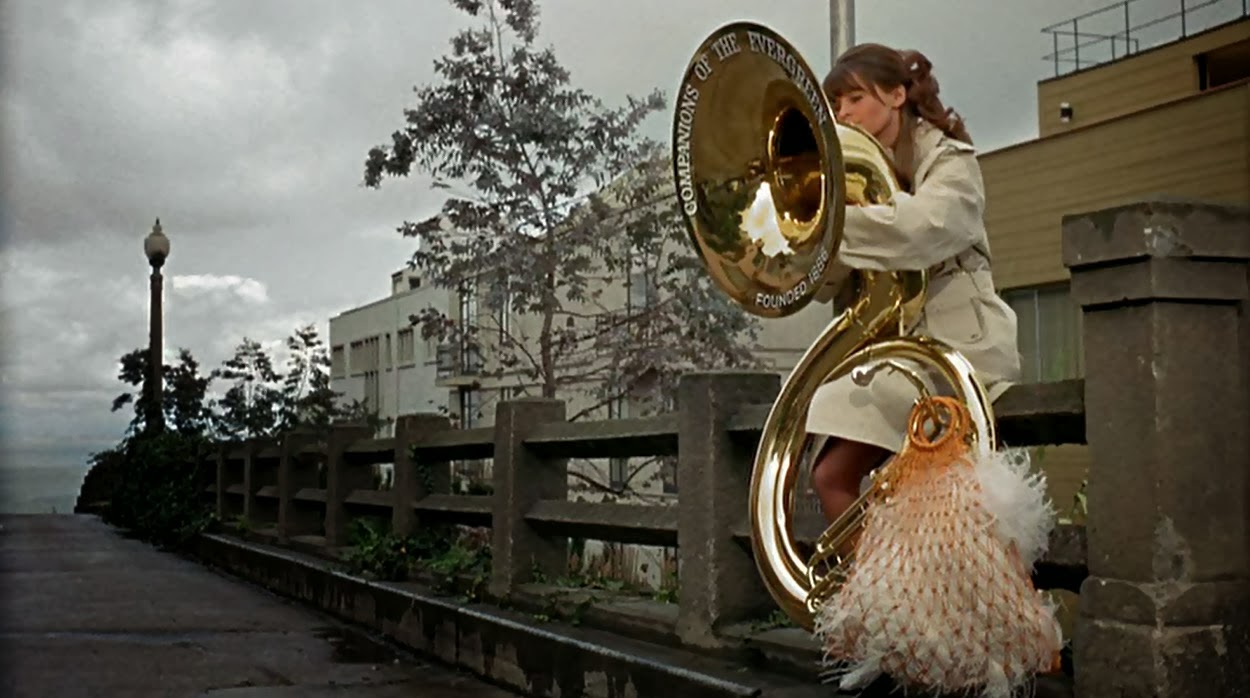
This was tougher. We both agreed that these films deserved recognition for their formal chops and ability to upset and enchant in equal measure. Their of a kind, when you get right down to it. Women punished for expecting to wait on men, now ghosts in their own lives. Richard Lester uses his pop-psychedelic montage to its greatest imaginable effect, crafting a world of facades where it's easy to understand how pain is hidden and ignored. It's easier to pretend we fit in than to really look at ourselves and our suffering. Kuroneko places the same story in the context of historical Japanese art. Kaneto Shindo presents a fourth wall-smashing miasma where women are at the mercy of men corrupted by war and honor, or lack thereof. Both are haunting, both are splendid, both uniquely cinematic stories.
Caméra d'Or – Albert Finney for Charlie Bubbles

As David pointed out in his late show-edition of the comeback special Finney only directed one movie. Like Brando before him, all it took was the failure of a film he cared about for him to kind of drop out of the artistic vanguard. Still shows up for a paycheck, and in largely decent movies, but ever since Charlie Bubbles that twinkle's been missing from his eye. Finney has a knack for innovation that proved he wasn't just idling between takes working for Tony Richardson and Karel Reisz. He dreamt a lot of ingenious devices people are still copying, discovered Liza Minelli and all the while gave one of his best performances. Not bad for a first try, is it? We almost gave the prize to Marcello Fondato, but Finney's been given almost no credit for the elegiac Charlie Bubbles so we're hoping to right some of that egregious wrong. Now, how about a blu-ray, world?
Prix du Jury – Doktor Glas
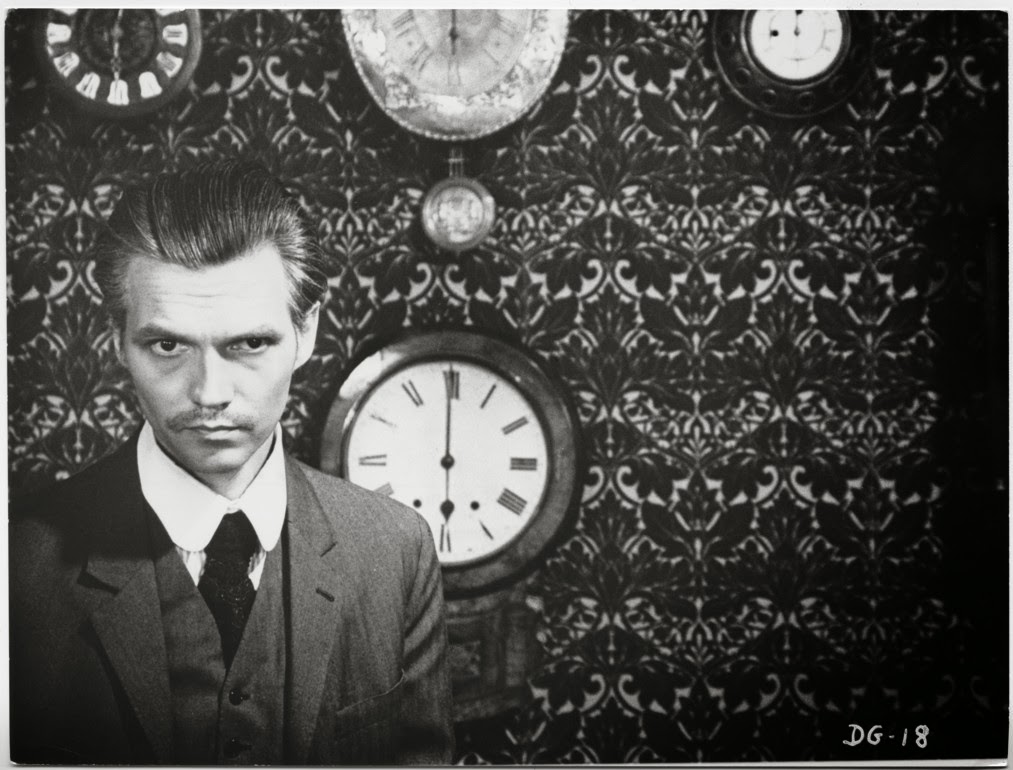
Speaking from personal experience, Mai Zetterling's Doktor Glas was the ideological pièce de résistance of the Totally Illegal Film Festival. The Long Day Closes shut us all up with its suspenseful gymnastics and raw imagery, but Doktor Glas had us all talking. About motivation, about patriarchy, about abortion, about murder, about justifications. Any film that can get a room full of people volleying interpretations at each other is worth talking about. Doubly so considering that no one talks about Zetterling. Criminal, we say! Criminal!
Prix du scénario – Firemen's Ball

Bitterly funny and warmly cynical, Firemen's Ball ties you into knots with its many strains and schools of humour, its sly critique of authority and coterie of non-plussed faces. Though directed in a style that would inform every third major American classic of the 70s, without its razor sharp script, one of the finest of an unprecedented era of charming malcontented masterpieces. And as dark as it gets, it never loses its cock-eyed wit, and makes you smile ever broader with every new defeat.
Prix d'interprétation féminine – Lisa Gastoni for Grazie, Zia

Quite simply she's the whole film. The rest is D.O.A. Gastoni, who was not often asked to do more than look disturbingly gorgeous, seems weighted down not just by her lot in life but by the script, and her weariness is transcendent. She retains her irresistibility, her adorable remove, the untouchable quality that makes you fall for her, but her melancholy seems in danger of outweighing it. That battle is by far the most compelling conflict in the film. Her performance makes this horrible, horrible movie worth watching. That is no mean feet.
Prix d'interprétation masculine – Woody Strode for Black Jesus

Strode is the ultimate underrated American performer. No Oscars, no Golden Globes, no retrospectives programmed around him, no tacky portraiture available in the lobby of similarly tacky Vegas hotels or wild west gift shops. He was never stretched by American directors, so much as they leaned on his chiseled features for support whenever they needed an illustration of winsome sturdiness. Not handsome so much as monumental. It took an Italian (and not Sergio Leone) to put Strode's face in the context it so richly deserved. His performance is undercut slightly by dubbing (not bad dubbing, by any means) but he's so perfectly attuned to the character of a martyr in rags that even though his death is inevitable (see: title) it becomes high tragedy. We cannot look away. We don't want to.
Prix de la mise en scène – Miklós Jancsó

Even before his tragic passing there was no question that Jancsó was the only pick for Director. As I've said 150 times, he remains the only filmmaker good enough to have two films, which, it should be noted could not be more different even if they are quite evidently the work of the same man, in competition for the highest honor at Cannes. How did this titan become, in Adrian Curry's words, "something of a forgotten man?" Perhaps it was that he was constantly denied the Palme? Or that it appears as though the majority of his films never made it to the US? Maybe he was just too embedded in his mythic modernism? Whatever excuse we've come up with isn't going to do anymore. He was a genius who made several undeniable works of beauty and he deserves more than what we've given him. As far as I'm concerned that ends today.
Palme d'Or – Capricious Summer
I'm beyond thrilled we decided on this. It's a film I fell head-over-heels in love with the first time I saw it and it's the sort of film that rarely walks away with the big win. It's slight, it's lovely, its ambitions are much more about improving your mood and lulling you into a cinematic spell. It's a joy, pure and simple, and runs a cool 74 minutes, occupying the same fugue state as Terence Davies The Long Day Closes and Jacques Tati's M. Hulot's Holiday, spaces of play tinged with bittersweet melancholy. You may not have your life changed, but you'll almost certainly want to live in these films.
Grand Prix – Petulia / Kuroneko
This was tougher. We both agreed that these films deserved recognition for their formal chops and ability to upset and enchant in equal measure. Their of a kind, when you get right down to it. Women punished for expecting to wait on men, now ghosts in their own lives. Richard Lester uses his pop-psychedelic montage to its greatest imaginable effect, crafting a world of facades where it's easy to understand how pain is hidden and ignored. It's easier to pretend we fit in than to really look at ourselves and our suffering. Kuroneko places the same story in the context of historical Japanese art. Kaneto Shindo presents a fourth wall-smashing miasma where women are at the mercy of men corrupted by war and honor, or lack thereof. Both are haunting, both are splendid, both uniquely cinematic stories.
Caméra d'Or – Albert Finney for Charlie Bubbles
As David pointed out in his late show-edition of the comeback special Finney only directed one movie. Like Brando before him, all it took was the failure of a film he cared about for him to kind of drop out of the artistic vanguard. Still shows up for a paycheck, and in largely decent movies, but ever since Charlie Bubbles that twinkle's been missing from his eye. Finney has a knack for innovation that proved he wasn't just idling between takes working for Tony Richardson and Karel Reisz. He dreamt a lot of ingenious devices people are still copying, discovered Liza Minelli and all the while gave one of his best performances. Not bad for a first try, is it? We almost gave the prize to Marcello Fondato, but Finney's been given almost no credit for the elegiac Charlie Bubbles so we're hoping to right some of that egregious wrong. Now, how about a blu-ray, world?
Prix du Jury – Doktor Glas
Speaking from personal experience, Mai Zetterling's Doktor Glas was the ideological pièce de résistance of the Totally Illegal Film Festival. The Long Day Closes shut us all up with its suspenseful gymnastics and raw imagery, but Doktor Glas had us all talking. About motivation, about patriarchy, about abortion, about murder, about justifications. Any film that can get a room full of people volleying interpretations at each other is worth talking about. Doubly so considering that no one talks about Zetterling. Criminal, we say! Criminal!
Prix du scénario – Firemen's Ball
Bitterly funny and warmly cynical, Firemen's Ball ties you into knots with its many strains and schools of humour, its sly critique of authority and coterie of non-plussed faces. Though directed in a style that would inform every third major American classic of the 70s, without its razor sharp script, one of the finest of an unprecedented era of charming malcontented masterpieces. And as dark as it gets, it never loses its cock-eyed wit, and makes you smile ever broader with every new defeat.
Prix d'interprétation féminine – Lisa Gastoni for Grazie, Zia
Quite simply she's the whole film. The rest is D.O.A. Gastoni, who was not often asked to do more than look disturbingly gorgeous, seems weighted down not just by her lot in life but by the script, and her weariness is transcendent. She retains her irresistibility, her adorable remove, the untouchable quality that makes you fall for her, but her melancholy seems in danger of outweighing it. That battle is by far the most compelling conflict in the film. Her performance makes this horrible, horrible movie worth watching. That is no mean feet.
Prix d'interprétation masculine – Woody Strode for Black Jesus
Strode is the ultimate underrated American performer. No Oscars, no Golden Globes, no retrospectives programmed around him, no tacky portraiture available in the lobby of similarly tacky Vegas hotels or wild west gift shops. He was never stretched by American directors, so much as they leaned on his chiseled features for support whenever they needed an illustration of winsome sturdiness. Not handsome so much as monumental. It took an Italian (and not Sergio Leone) to put Strode's face in the context it so richly deserved. His performance is undercut slightly by dubbing (not bad dubbing, by any means) but he's so perfectly attuned to the character of a martyr in rags that even though his death is inevitable (see: title) it becomes high tragedy. We cannot look away. We don't want to.
Prix de la mise en scène – Miklós Jancsó
Even before his tragic passing there was no question that Jancsó was the only pick for Director. As I've said 150 times, he remains the only filmmaker good enough to have two films, which, it should be noted could not be more different even if they are quite evidently the work of the same man, in competition for the highest honor at Cannes. How did this titan become, in Adrian Curry's words, "something of a forgotten man?" Perhaps it was that he was constantly denied the Palme? Or that it appears as though the majority of his films never made it to the US? Maybe he was just too embedded in his mythic modernism? Whatever excuse we've come up with isn't going to do anymore. He was a genius who made several undeniable works of beauty and he deserves more than what we've given him. As far as I'm concerned that ends today.
The '68 Comeback Special: Les Gauloises Bleues
Godard rarely gives coherent interviews anymore. His films and his own statements mostly come out the same - beguiling and pointless. You wanna learn why he did anything back in the day, you're shit out of luck. He still has a lot of politique and defensive rigamarole to doll out to whatever unfortunate sod seeks him out for a word or two, but goddamned if I can figure out what drives him to edit his beautiful nonsense anymore. His movies are still totally fascinating but I also won't pretend I know what goes on or that they're 100% or even 65% successful. The unspoken subtext of his overthrowing the Cannes film festival in 1968, which David Cairns and I have been profiling film-by-film, was that he was kissing the kind of trendy stylistic, genre flaunting gymnastics he'd created goodbye. Cinema, such as it was, was now his enemy. That very year he made Un Film Comme Les Autres, which you were meant to flip a coin to determine which reel went first because the images were the same no matter which one you picked. Nobody told me this before I watched the interminable thing, and here I was looking for a story behind all the talk of revolution on the lawn of a car manufacturer. I felt uncomfortable; it felt to me like Godard and his friends were forcing workers to enter into disputes they didn't think needed fighting. The colorful excesses and russian roulette montage of Pierrot Le Fou, Bande à part and Contempt were over. Long live the new flesh and all that. Godard throwing in the towel and picking up a hammer meant a lot for cinema. The french new wave was over, for one thing, and Godard was no longer the reigning champ of cinephilia-inflected cinema. This left a gaping hole which I'm willing to bet every young director yet to be discovered wanted to fill. Philippe Garrel and Jacques Rivette stepped up to the plate and began documenting life in post-68 France with their unique voices, neither wanting to be, nor pretending to be Godard. They were honest and fanciful in new, exciting ways, finding naturalism and surrealism good company. Attemping to be Godard would have been ridiculous. Nobody told that to critic Michel Cournot.


From what I've been able to divine Cournot wrote criticism throughout the 60s (Thanks to the inestimable David Ehrenstein for his correction on this matter!), but then, what important French director of that age didn't? He apparently had a beautiful voice as a writer. In '67 Godard put him in Weekend, and he liked so much of what he saw on set that he vowed to do that again sometime. To make his first and only film he snagged Annie Girardot, a young Bruno Cremer, and Jean-Pierre Kalfon, all fresh from the Jacques Brel film Bonnot's Gang, and most tellingly Anne Wiazemsky, lately Godard's girlfriend. He once more retreated to a remote countryside location with a camera crew and just like last time Godard was calling the shots. Ok, perhaps that's unfair. Les Gauloises Bleues, the resultant film, is only available in a poorly transferred TV-to-VHS-to-AVI rip and no one's taken the time to translate it into English. Cournot himself said that the script "bears the same relation to the film as a catalogue of plane parts does to a trans-Atlantic flight." Vincent Canby opined that this particular flight was missing a set of functioning wings. My remedial french isn't quite enough to help me sort out what goes on so there's a chance that the film is a completely distinct statement from Weekend and all the rest of le cinema du Godard and a profound statement about the Holocaust to boot (images of bleak railways and a few choice words on walls say he was at least gesturing in that direction).........but there's an equally good chance this is just microwaved New Wave leftovers.


Instead of the bright primary colours of Pierrot and Weekend, Cournot shoots in muted pastels, but his model is unmistakable (even the fake blood, right out of Weekend, seems a duller shade). There are many long takes broken up by soundless inserted clarifying scenes, instead of being thrust into those scenes as we surely would in Godard's hands. There are pointless images shoved in our faces as if to provoke with their having nothing to do with each other. This doesn't really work. Putting an illustration from a Babar The Elephant book after photographs of dead bodies mostly just highlights how much better the trick's been pulled off before. Continuity is routinely flaunted, time is jumped like a velvet rope, and Cournot presents his actors and their emotions with complete irreverence. Cournot also borrows HEAVILY (ok he just fucking steals) from Antonioni's Red Desert and L'Ecclise. I don't want to write off the possibility that in missing out on whatever the plot linking this dour game of pantomimes I'm missing a masterpiece of French deconstructionism, but there just might be a reason Cournot's the one New Wave Director no one's ever heard of. I realize this entry's heavy on hypotheticals which is appropriate even if it can't be all that satisfying to read, so, my apologies.

There are a few ironies at work. Godard's output lately (since 1973 really) has been mostly inscrutable or too oblique for me, but at least they come with subtitles. Les Gauloises Bleues does not because it's never made it past French TV. Why? Very probably because Godard himself (with Gauloises co-writer Claude Lelouch in tow) shut the festival down before it could play. Or maybe Lelouch knew he had co-signed a dreary bit of word-vomit and could have cared less if it ever screened. Conjecture, I know, I know, but the point is we can only point a finger at so many people and Godard's definitely got silver halide on his hands. Les Gauloises Bleues is now just as unreadable and confusing as anything Godard attempted following his post-cinema conversion. Stranger still, not only did Godard cut Cournot's directing career short, he also in essence kept making films with what looks an awful lot like Cournot's softer, still very-compelling image, and too-excitable, too-easy approach to montage. Cournot was doing his best Godard imitation in Les Gauloises Bleues, but all Godard wanted to do was make films that looked and acted like Les Gauloises Bleues. Over and over again. Words, irreverent presentation of people, contempt for coherence and an elastic sense of time, place and genre. It's tempting to think of Gauloises as the missing link between late narrative work like La Chinoise & Weekend and conversational theorems like Un Film Comme Les Autres & Le Gai Savoir (it's not a million miles away from One PM or Tout Va Bien either).
There isn't an awful lot that I can say beyond my half-guesses and hypothesizing except to say that even denied his words Bruno Cremer is a commanding screen presence. He's one of my favourite actors and he does great work just existing in that anguished, angry way he does. I detect him doing a dry-run for his tough-parent act in Un Jeu Brutal. And there's something everyone can appreciate nestled in here: a mesmerizing score by Krzysztof Penderecki. Penderecki could also be heard amplifying the weird in Je T'aime Je t'aime across the coissette, which weirdly this also kinda resembles. If the film works for me at all, it's his doing. He ignites Cournot's best images and makes you forget they've been cribbed. Those moments, when the image and music work together in a haunting harmony, almost make you wish he'd tried again.
Subscribe to:
Posts (Atom)